In this episode:
In this episode of the Firefighter After Action Review Podcast, Kansas City Fire Department leaders—including Chief of Department Ross Grunden, Battalion Chief Mike Hopkins, Chief Ted Henry, and Retired Firefighter John Sirna —reflect on the 2015 line-of-duty deaths of firefighters Larry Leggio and John Mesh during a structure fire on Independence Avenue. They discuss the challenges posed by the building’s construction, the difficulty of locating the arson fire, and the tragic wall collapse that claimed the two firefighters’ lives.
The conversation highlights key lessons learned and the departmental changes that followed, including improved collapse zone management, better time tracking on the fireground, and the widespread adoption of thermal imaging cameras. This discussion also delves into the profound emotional impact of the tragedy, the critical importance of clear communication during operations, and the idea of a “25-year cycle,” where major incidents recur as institutional memory fades.
Firefighter After Action Review Podcast: Kansas City reaches back through more than 75 years of pivotal moments to explore how the Kansas City, Missouri Fire Department (KCMO) has transformed tragedy into progress. Through the lens of significant line-of-duty death (LODD) events, this series highlights how KCMO has consistently taken proactive steps to improve firefighter safety—not just for their department, but for the entire fire service.
From leading efforts to move gasoline storage tanks underground to developing systems for sharing hazardous materials data across agencies, KCMO has laid the groundwork for policies and practices that many departments rely on today. Each episode examines how the department’s response to loss has driven innovation and changed the course of fire service history.
A typical fire service career spans about 25 years. The stories told in this series span three full generations of service. As seasoned personnel retire and new firefighters take their place, these lessons must not be forgotten. Firefighter After Action Review Podcast: Kansas City honors those who came before by passing on their hard-earned knowledge—ensuring that every generation builds on the legacy of the last.
And that’s kind of the reality that this podcast has actually brought to me—that and the ’15—that it can happen so quick. And when you’re looking back at your history and you’re trying to teach the young cadets coming out the history, it may be hard for them to grasp that because it didn’t happen in their cycle, and you hope it never does. So, you just got to find a way to get them to understand that this is a reality that could happen. It may not be you, it may be your friend, it may be your coworker, or it could be you. So, take it seriously, take the training seriously, pay attention to what you’re doing.
Battalion Chief Mike Hopkins, Kansas City Fire Department (MO)
Remembering
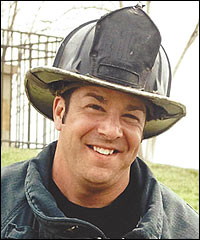
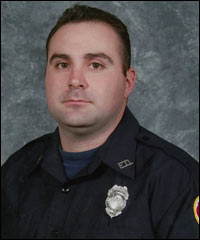
Not only are you honoring the folks that did make the ultimate sacrifice, but you're preventing it from happening again by keeping it fresh in people's minds and just making sure we remember those lessons that we learn.
Fire Chief Ross Grundyson, Kansas City Fire Department (MO)
Related:
We focused on 13 line-of-duty deaths in Kansas City, but over our shoulders are the 112 names, including the 13 that have given their lives. We hope we never have to expand the list on that plaque, but I think the contributions that you have made today are going to go a long way in helping other fire departments keep their plaques as small as possible. So, we really appreciate your time and effort. Thank you very much.
Chief John Tippett, Former NFFF Director of Fire Service Programs