More than 60 years later, the story of the 1964 Marshalls Creek explosion still carries lessons for firefighters today. Hear firsthand memories of the tragedy and visit the memorial honoring the firefighters and civilians who lost their lives.
More than 60 years later, the story of the 1964 Marshalls Creek explosion still carries lessons for firefighters today. Hear firsthand memories of the tragedy and visit the memorial honoring the firefighters and civilians who lost their lives.
On August 4, 1966, four Cleveland firefighters died in a dust explosion during a four-alarm fire at the Metallurgical, Inc. plant.
Every fire presents a unique combination of conditions, and every organization possesses different capabilities. Yet we continue to search for universal answers within a profession defined by variables.
On July 5, 1976, the Kings Canyon Fire claimed the lives of Pilot James Davidson and Firefighters Jon Ivins and Ken Carvin, whose sacrifice is honored today through a memorial trailhead in Carson City.
A fast-moving fire on Willard Avenue during rush hour on June 26, 1961, claimed the life of Acting Lieutenant George Magnan and became a lasting reminder of the dangers firefighters face in the line of duty.
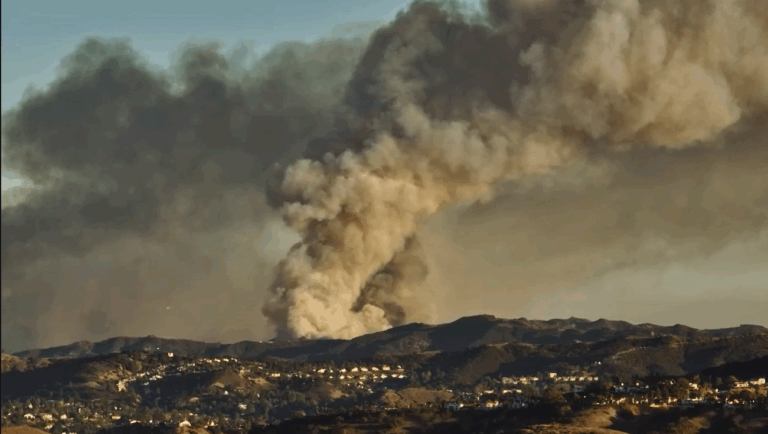
New Safety INSight video explores WUI wildfire risks, prevention strategies, and ways to protect communities.
Around noon on May 21, 1950, a paint shop fire in San Rafael escalated into a fast-moving multi-structure blaze that claimed the lives of Firefighters Aubrey “Jack” Miller and William “Sonny” Bottini—the first line-of-duty deaths in the department’s history.
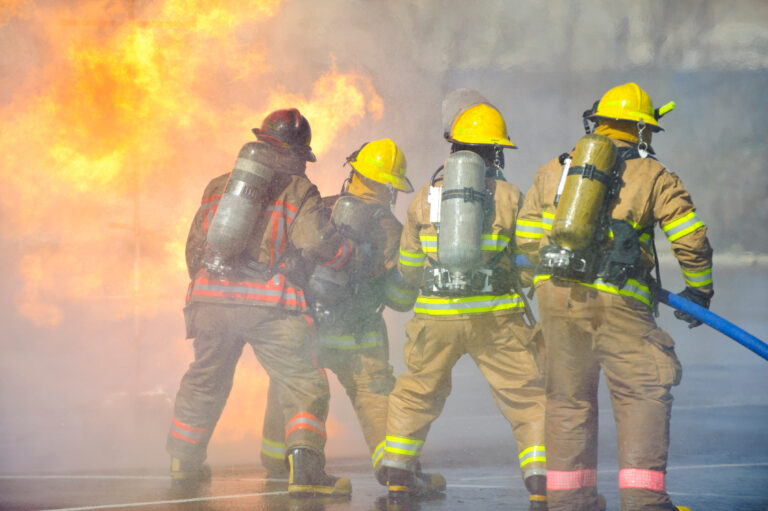
The Texas Commission on Fire Protection has adopted a new statewide continuing education standard requiring regulated fire protection personnel to complete the National Fallen Firefighters Foundation’s Courage to Be Safe® program every five years.
In this third installment of Firefighter After Action Review, the National Fallen Firefighters Foundation podcast, firefighters who responded to the Sofa Superstore fire share a candid and deeply personal look at the tragedy and its lasting impact.
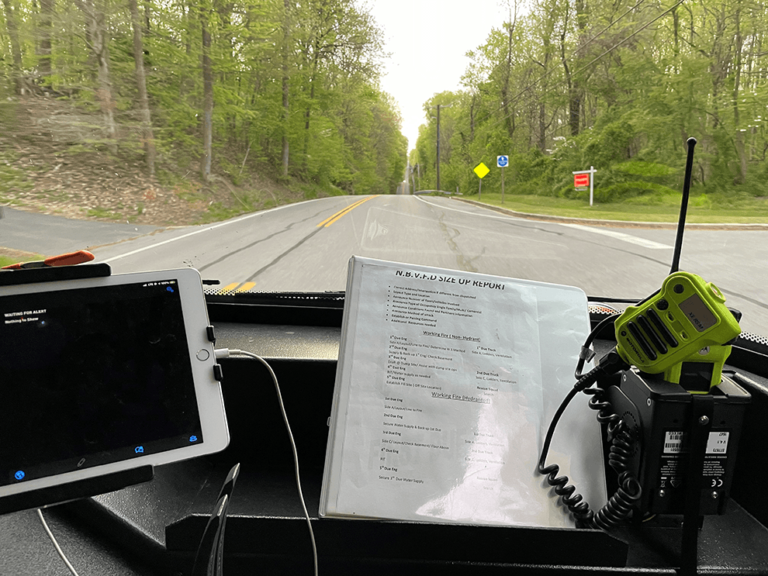
A line-of-duty death forever changes the fire department or agency and the community. So, where does a company officer who loses a firefighter in the
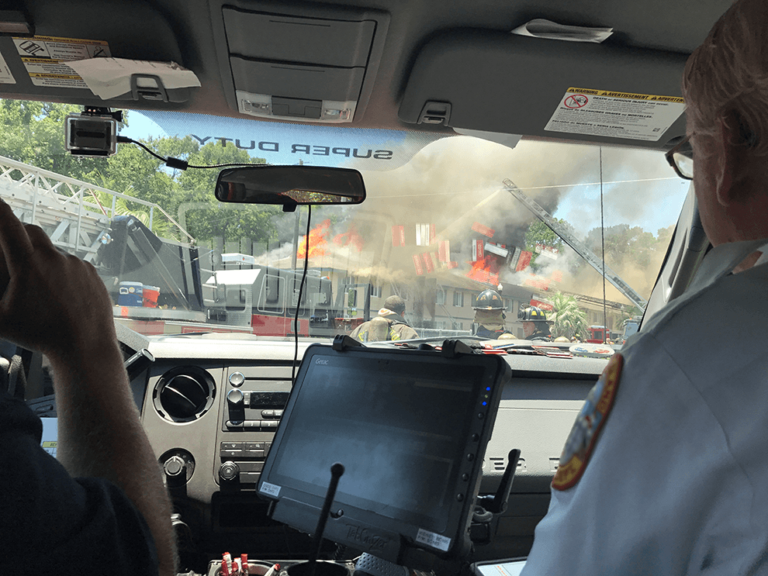
The National Fallen Firefighters Foundation created the IC to IC Network to provide assistance to incident commanders who have experienced a line-of-duty death of a firefighter under their command.
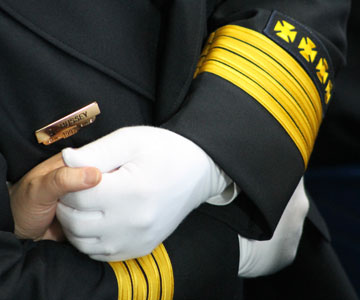
A line-of-duty death forever changes the community, department or agency. So where does a chief turn for support after a tragedy?
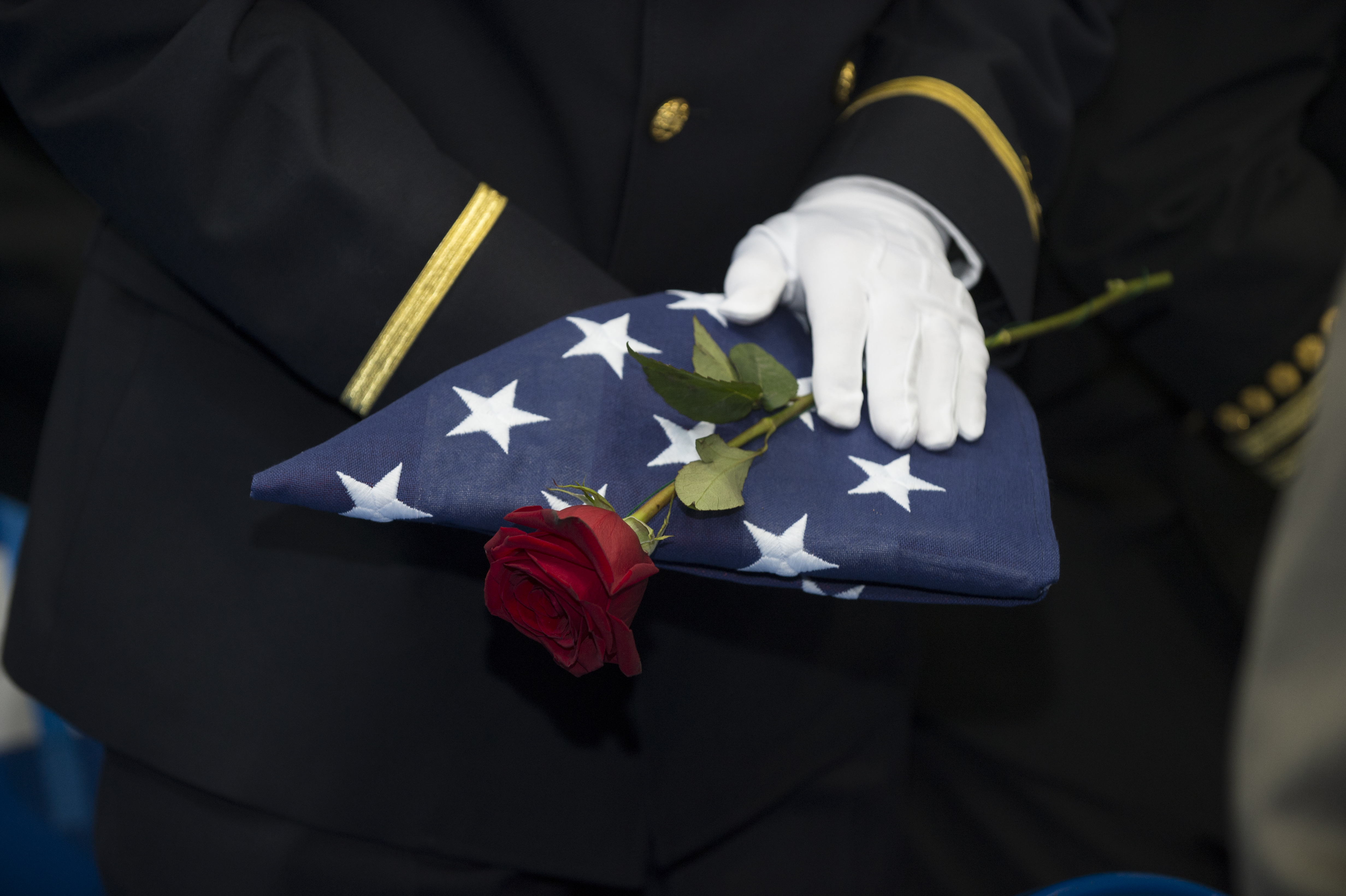
Everything that happens immediately after a line-of-duty death affects the way the family, department, and the community recover from loss.

If your department has not taken the International First Responder Seatbelt Pledge, please take a moment learn more about the program and sign the pledge online today! Once you have taken the pledge to wear your seatbelt, please continue to support our efforts by spreading the word to neighboring departments in your area.
The FRCE is dedicated to protecting the lives and livelihoods of first responders, nationwide. Our education and research initiatives constantly shed new light on challenges to the health, safety and well‑being of firefighters, EMS personnel and other first responders.
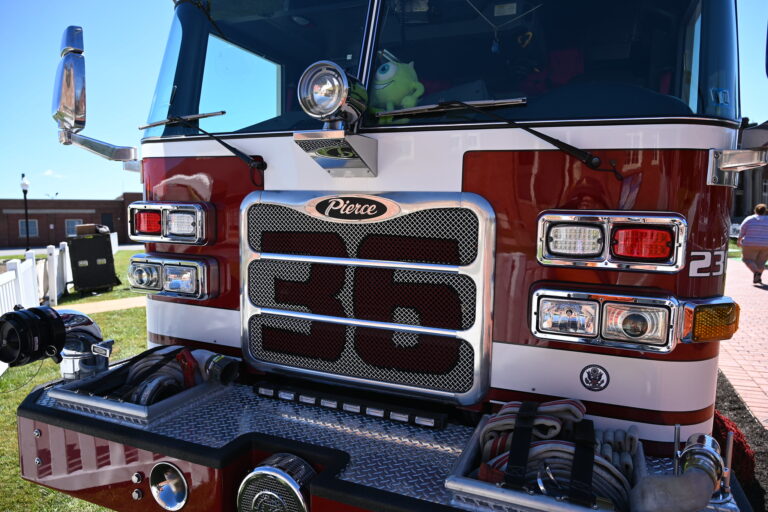
The National Fallen Firefighters Foundation (NFFF), in coordination with the U.S. Fire Administration (USFA), has developed an online Vulnerability Assessment Tool that will provide fire departments with a systematic process to evaluate risk and ultimately reduce the threat of firefighter injuries and deaths.
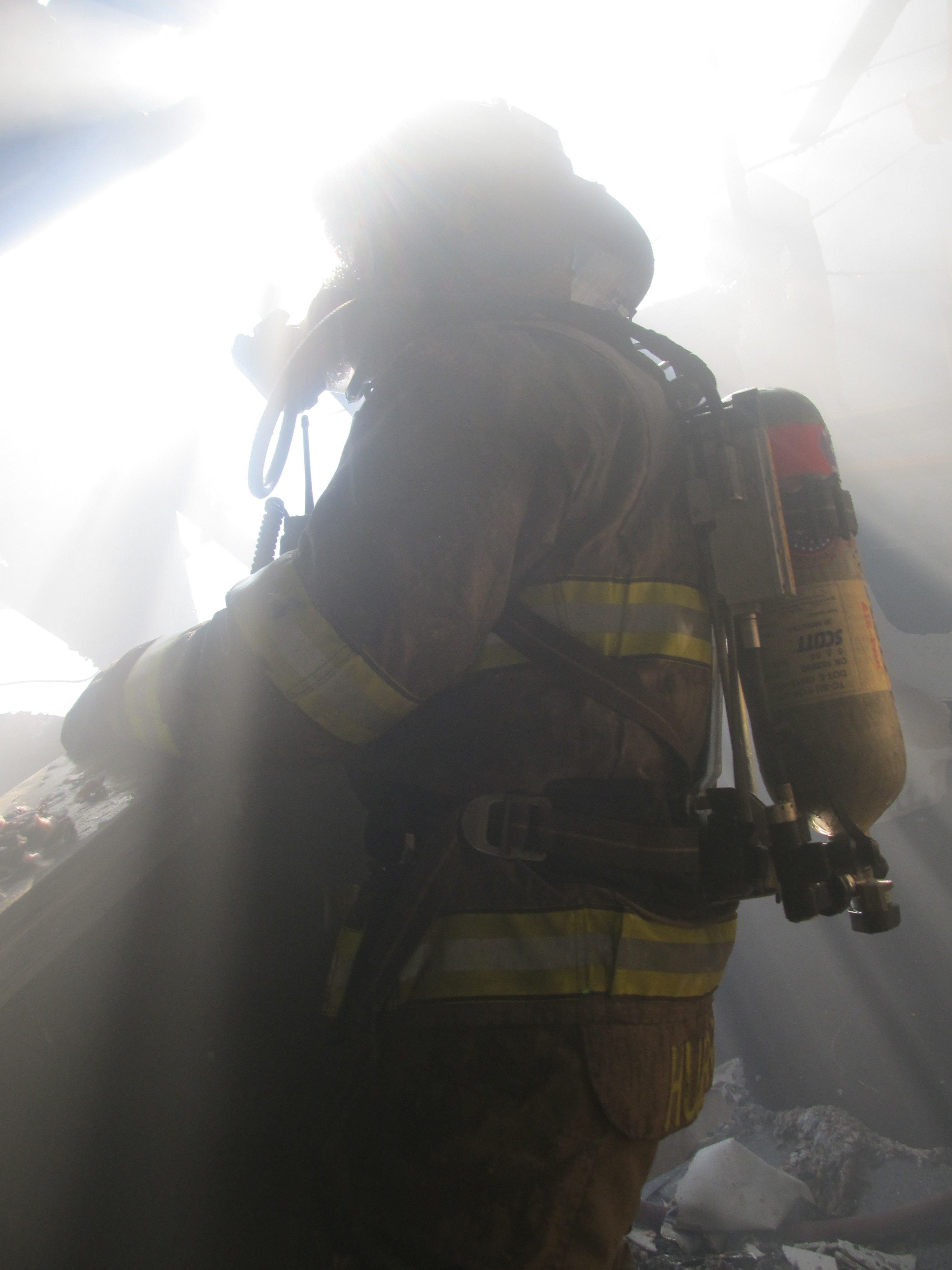
The Until Everyone Goes Home® program works to prevent firefighter line-of-duty deaths and injuries through the Firefighter Life Safety Initiatives.