
This episode of the Firefighter After Action Review Podcast features Charleston Fire leaders recounting the harrowing Sofa Superstore fire of 2007, honoring the nine firefighters who made the ultimate sacrifice and sharing an inside look at that fateful day.
On February 5, 1915, Firefighter Crayton Hilburn made the ultimate sacrifice on the job, a bravery that still echoes today.
On January 12, 1951, in Montgomery, Alabama, a devastating church fire claimed the lives of Curtis D. McKinney and James (J.E.) "Peewee" Jackson.
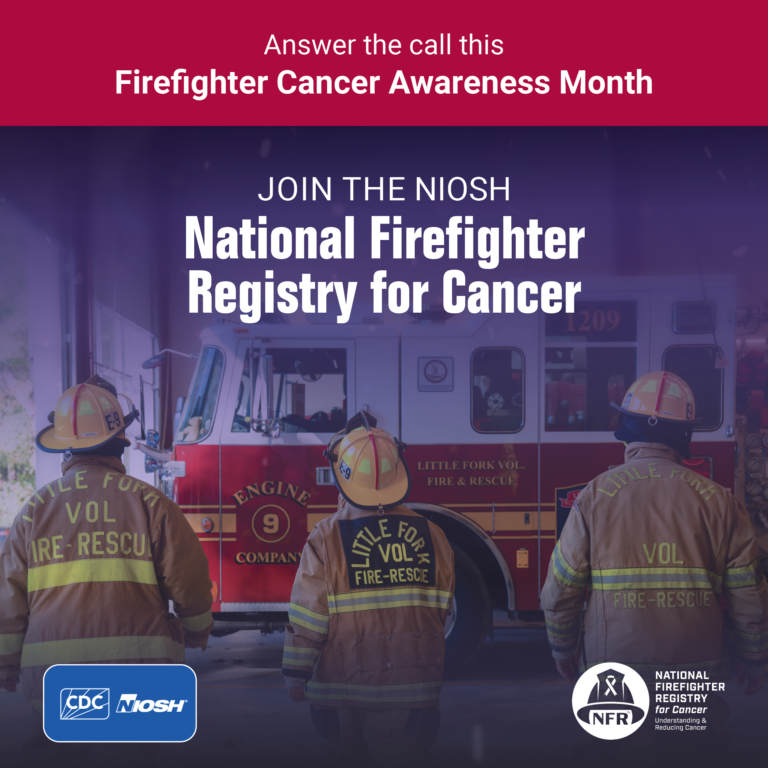
This Firefighter Cancer Awareness Month, follow in the footsteps of tens of thousands of U.S. firefighters who are making an impact on firefighter health and safety. Join the NIOSH National Firefighter Registry (NFR) for Cancer.
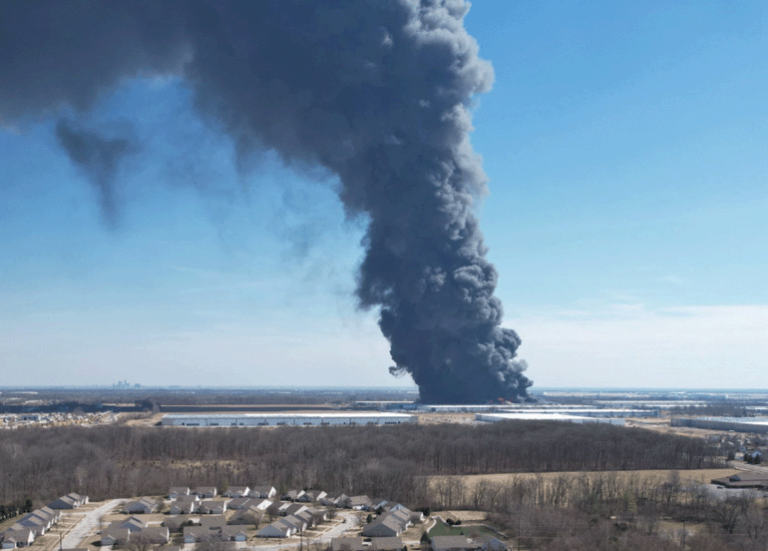
The National Fallen Firefighters Foundation’s ‘When the Sky Turned Black’ captures the heroism of Plainfield firefighters and the lasting impacts of devastating distribution center blaze.
Remember the bravery and sacrifice of three Honolulu firefighters who ran toward danger during the attack on Pearl Harbor, giving their lives to protect others on that day of infamy.
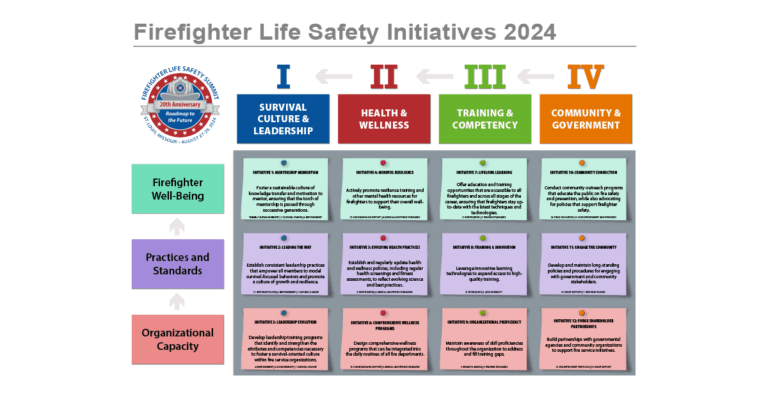
Discover how the NFFF’s newly released Firefighter Life Safety Initiatives Matrix is reshaping the future of fire service safety and leadership.
On November 5, 1942, four Myrtle Beach Air Force Base firefighters made the ultimate sacrifice when a B-26 bomber struck their crash truck during its landing.
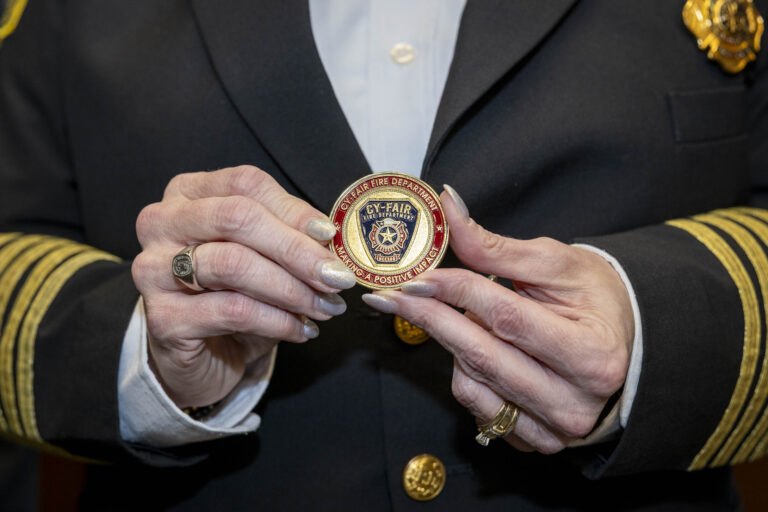
The National Fallen Firefighters Foundation (NFFF) proudly presented the Ronald Siarnicki Seal of Excellence Award to the Cy-Fair Fire Department (CFFD) in recognition of its exceptional commitment to firefighter safety, health, and wellness.

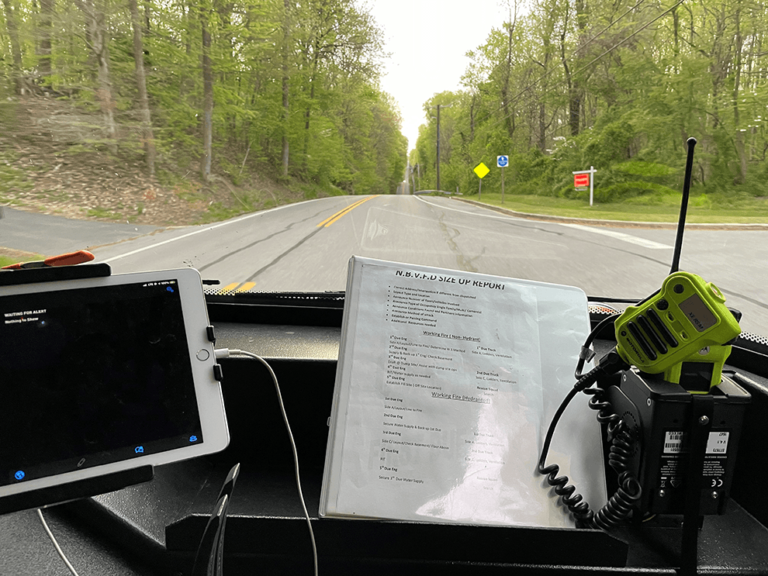
A line-of-duty death forever changes the fire department or agency and the community. So, where does a company officer who loses a firefighter in the
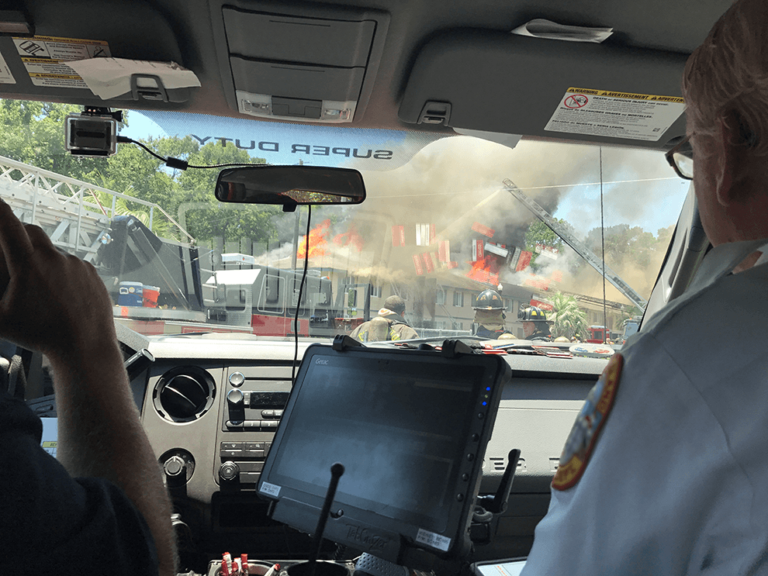
The National Fallen Firefighters Foundation created the IC to IC Network to provide assistance to incident commanders who have experienced a line-of-duty death of a firefighter under their command.
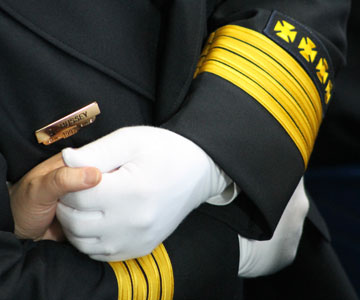
A line-of-duty death forever changes the community, department or agency. So where does a chief turn for support after a tragedy?
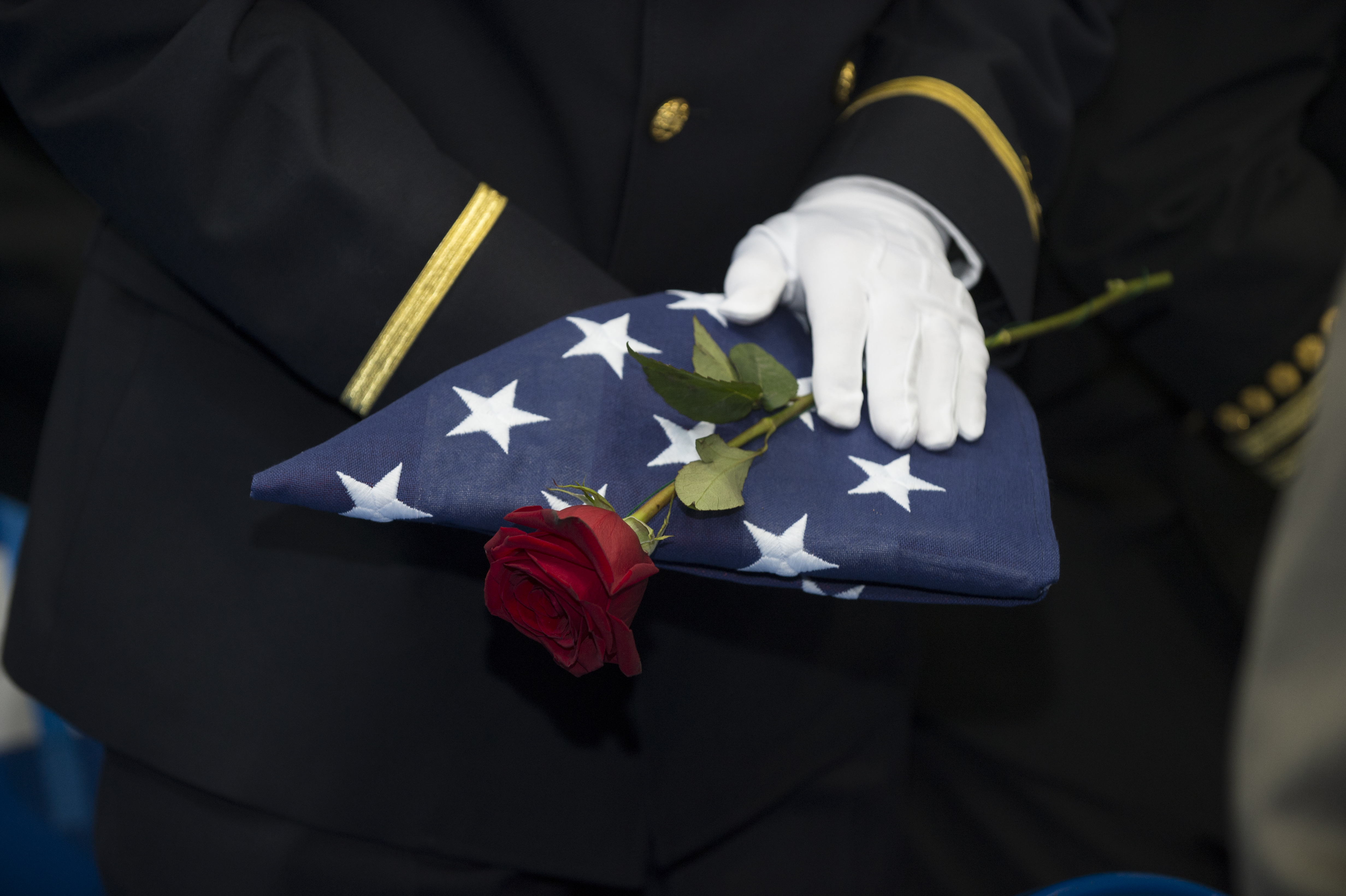
Everything that happens immediately after a line-of-duty death affects the way the family, department, and the community recover from loss.

If your department has not taken the International First Responder Seatbelt Pledge, please take a moment learn more about the program and sign the pledge online today! Once you have taken the pledge to wear your seatbelt, please continue to support our efforts by spreading the word to neighboring departments in your area.
The FRCE is dedicated to protecting the lives and livelihoods of first responders, nationwide. Our education and research initiatives constantly shed new light on challenges to the health, safety and well‑being of firefighters, EMS personnel and other first responders.
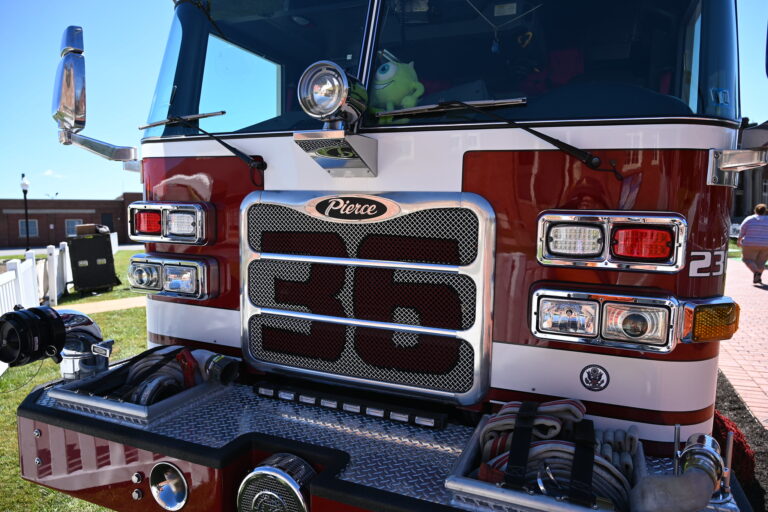
The National Fallen Firefighters Foundation (NFFF), in coordination with the U.S. Fire Administration (USFA), has developed an online Vulnerability Assessment Tool that will provide fire departments with a systematic process to evaluate risk and ultimately reduce the threat of firefighter injuries and deaths.
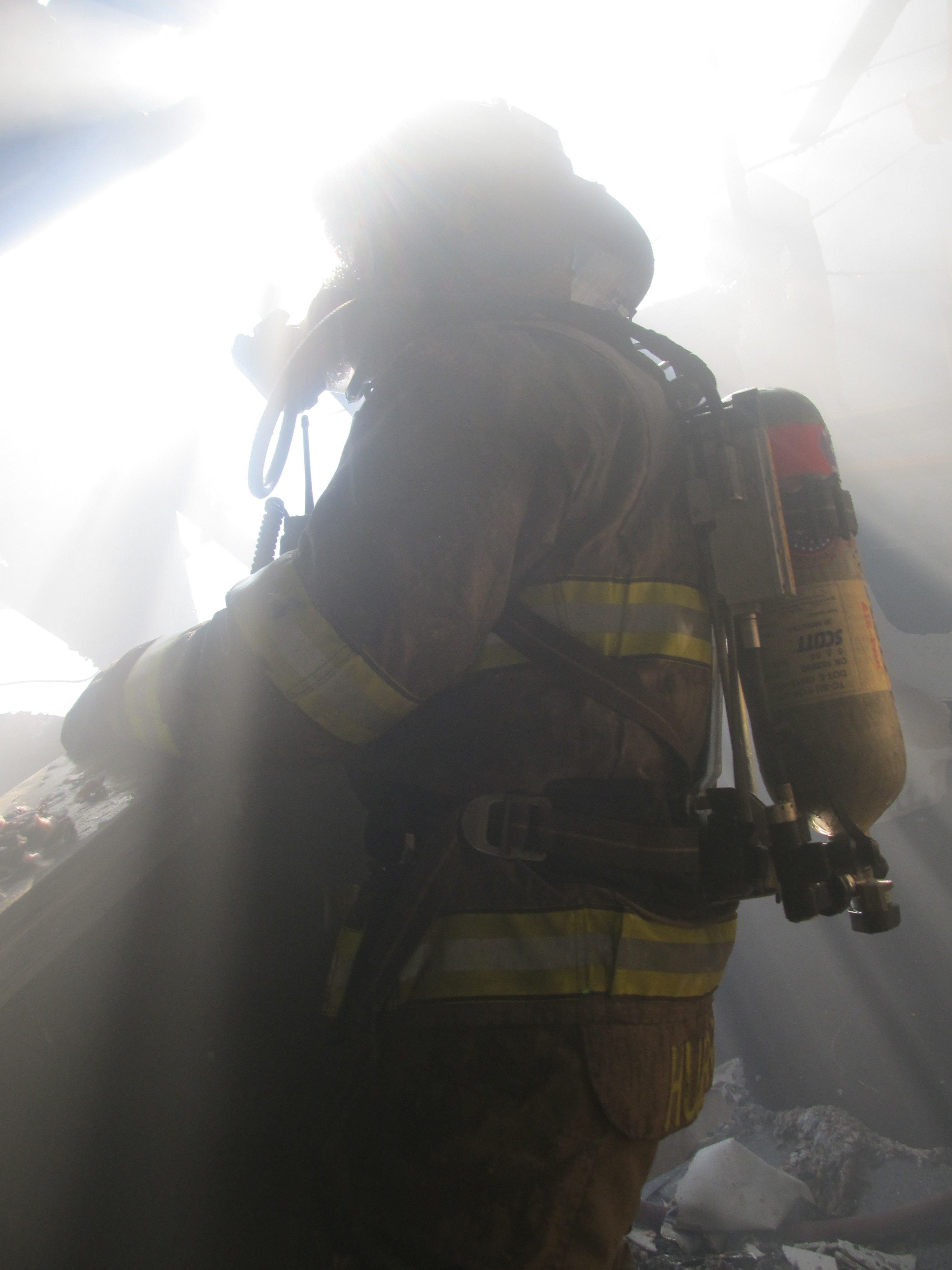
The Everyone Goes Home® program works to prevent firefighter line-of-duty deaths and injuries through the 16 Firefighter Life Safety Initiatives.