
Date of death:
August 4, 1966
Department:
Cleveland Division of Fire
Number of Line-of-Duty Deaths:
4
On Thursday, August 4, 1966, the Metallurgical Inc. plant at 9801 Walford Avenue sat on the southwest border of Cleveland. The plant was part of a large, 26.5-acre industrial complex occupied by 14 industrial companies. Metallurgical Inc. processed magnesium and aluminum for use in the steel industry.
The fire occurred in a two-and-one-half-story brick and steel building that stood 50 feet tall. Inside, workers operated milling equipment that ground magnesium and aluminum into various sizes for steelmaking. The process produced considerable amounts of dust, requiring a large dust collection system. The dust collector involved in the incident stood 12 feet high and 15 feet long and had a steel hopper. The building was not equipped with a fire alarm or fire suppression system.
Earlier that morning, maintenance workers had been dismantling a dust collector duct to make way for a new system. When an acetylene torch was used to cut apart the old ductwork, it ignited metallic dust and touched off a small fire.
The workmen tried to extinguish the fire for about 30 minutes, but it spread to nearby wood framing. Finally, they decided to call the fire department. One of the dozen men working in the building walked to a nearby building to make the call.
Cleveland fire units were alerted around noon. Rescue Squad 2, Engine 33, and Ladder 12, under the command of Battalion Chief Edward Tuhacek, soon arrived at the scene.
Firefighters stretched hoselines into the building as the workers were evacuated. The fire was believed to be small, and the crews were making good progress extinguishing it. Four firefighters were operating on a landing high above the plant floor, while eight others positioned their hoselines at the base of the hopper system, attempting to cool the powdered metal as it was slowly released into containers.
About 45 minutes after firefighters arrived, the situation appeared to be under control. Then, suddenly, an explosion rocked the interior of the building. When the burning aluminum powder mixed with air, it formed a highly explosive mixture with a low ignition point, triggering a combustible dust explosion that tore through the structure.
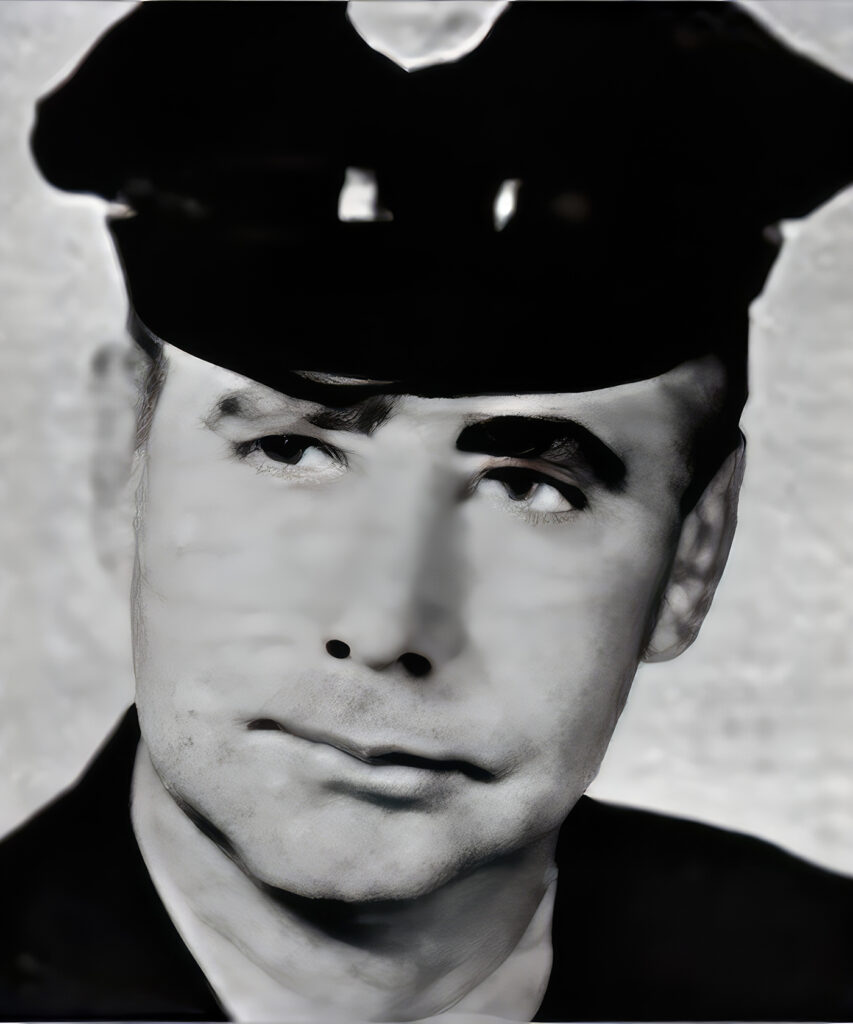
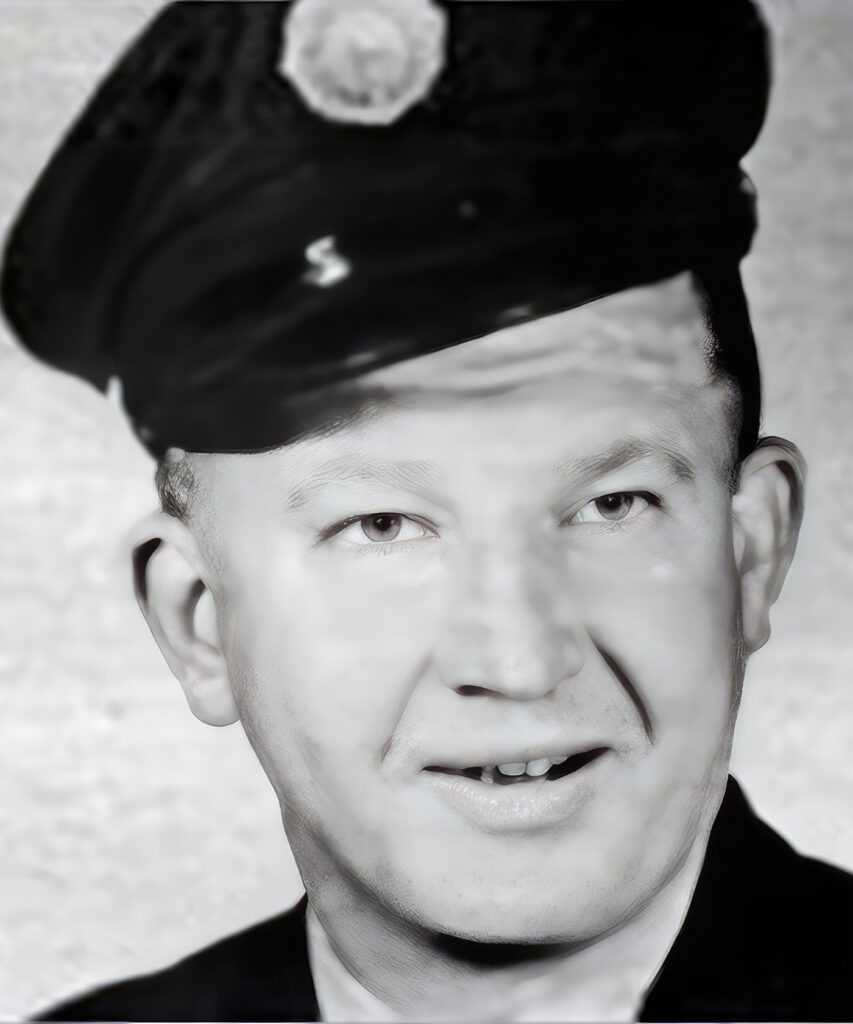
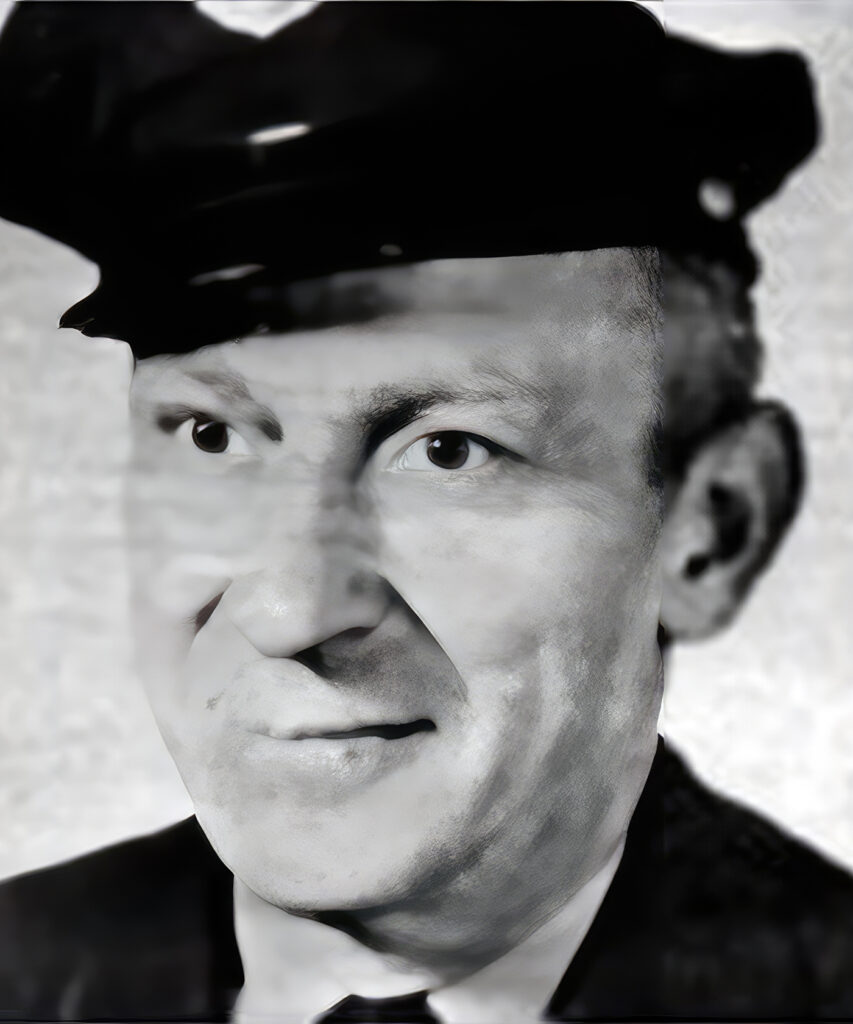
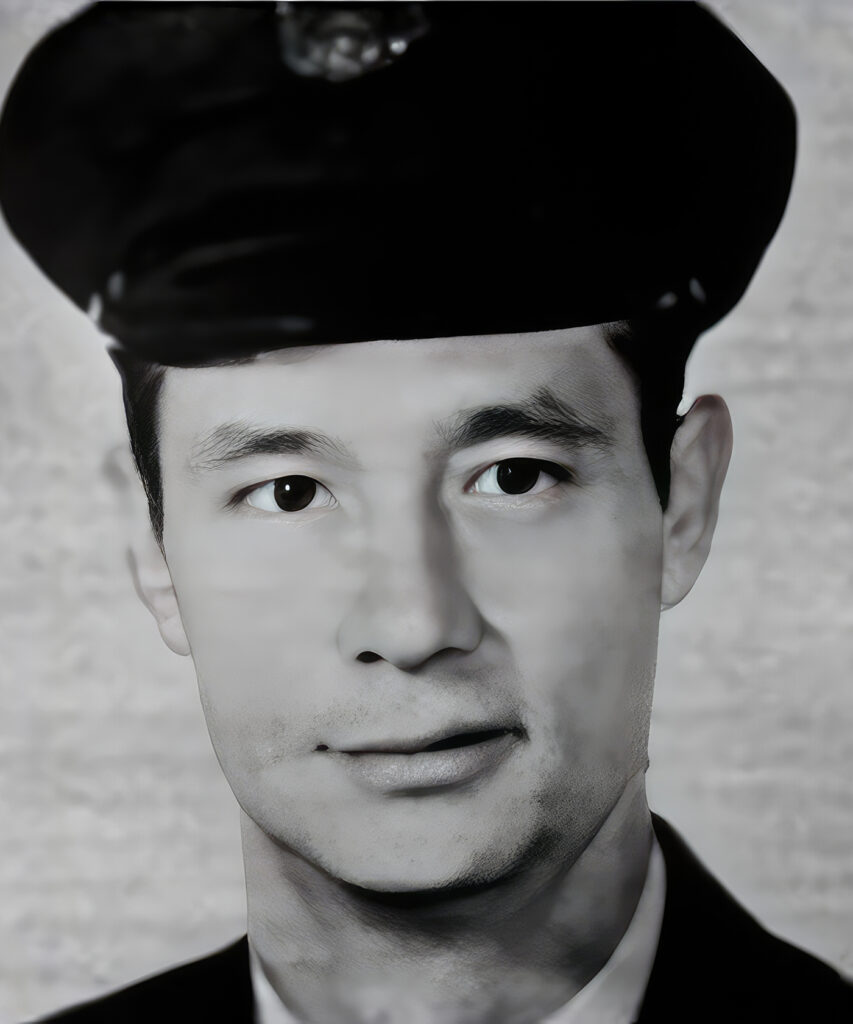
The four firefighters on the landing—Charles Doehner and John Petz of Rescue Squad 2, Ralph Simon of Engine 33, and Joseph Toolis of Ladder 12—were killed instantly, while eight others working on the main floor were injured. The blast tore gaping holes in the roof, followed by several additional explosions. None of the plant workers were injured.
One firefighter recalled seeing a cloud of black smoke rise from beneath the hopper. “It began as dark as night,” he said. “I started backing away when someone yelled not to breathe in the dust. Then wham!”
As the building continued to burn, firefighters fought through intense heat to rescue their fallen and injured colleagues. Some rescuers were treated at the scene for heat exhaustion before returning to work. Two of the injured firefighters, Fred Carque and William Blynn of Engine 38, continued working for nearly three hours before their injuries forced them to St. Vincent Charity Hospital. Others were injured while rushing into the building to help carry out their fellow firefighters.
Lieutenant William Ruddy, in command of the decimated Rescue Squad 2, was blown out of his boots by the explosion and injured. After being helped from the building, he had to be restrained from returning inside.
“I wanted to help my men,” Ruddy said.
Battalion Chief Tuhacek was also burned in the blast but remained at the scene until all the firefighters were out of the building, only then allowing others to take him to St. John Hospital. As he waited for the ambulance, he recalled the moments before the explosion.
“Suddenly there was a flash, an explosion and everything ignited,” Tuhacek said. “My responsibility was to my men,” he said. “My injuries were not bad. I wanted to see that everyone was out of the building and safe.”
Firefighter James Telzrow, who was injured in the blast, had been working at the base of the dust collector. He recalled seeing the Rescue Squad 2 firefighters on the landing above the roof of the office as they emptied the bin.
“They were the ones killed,” Telzrow said. “I guess I was lucky.”
Firefighter James Ruddy of Snorkel 2 was on the scene when the explosion occurred. His company was just beginning to set up when the blast struck.
“We started to run into the building to do what we could, and I saw them carrying out Bill,” Ruddy recalled, referring to his brother, Lieutenant William Ruddy.
Rescue Squad personnel would normally have been responsible for treating the injured, but two members of Rescue Squad 2 had been killed and another seriously injured. Other firefighters took over the rescue effort, and James Ruddy helped carry his injured brother to the Rescue Squad emergency vehicle and accompanied him into the emergency room.
The deaths of Charles Doehner, John Petz, Ralph Simon, and Joseph Toolis marked one of the worst tragedies in the history of the Cleveland Fire Department.
Today, the four fallen firefighters are remembered at two separate memorials. At the former Metallurgical Inc. site, now a mixed-use manufacturing and commercial building, a memorial plaque honors the four firefighters who lost their lives in the 1966 explosion.
Their names are also engraved on the granite base of the Cleveland Firefighters Memorial on Erieside Avenue in downtown Cleveland, which honors the men and women who have made the ultimate sacrifice protecting Cleveland communities.