The New Firefighter Life Safety Initiatives
The Firefighter Life Safety Initiatives form the cornerstone of all NFFF Fire Service Programs, acting as the primary integrative element across these initiatives. New programs are developed in alignment with this framework, while existing programs are updated to meet the evolving demands of the fire service. The reach and influence of the NFFF continue to expand. The principles of the Firefighter Life Safety Initiatives are evident throughout every aspect of NFFF-supported offerings, including in-person and online course delivery, staff rides, podcasts, documentaries, and interactive workshops.
The NFFF and the fire service community call on all departments, leaders, firefighters, and their communities to adopt and champion this new framework, advocate for necessary resources, and remain vigilant in promoting a culture of safety, wellness, and continuous improvement.
Know a Department or Individual who champions the Firefighter Life Safety Initiatives?
The Summit introduced the new Firefighter Life Safety Initiatives Matrix built upon:
- Recommendations from the 2022 San Antonio Summit;
- Results of an Advocate “all hands” summit in Tucson, Arizona, in November 2023;
- A series of virtual town halls facilitated by the NFFF’s Advocate Manager;
- Input from the Summit program planning committee;
- The United States Fire Administrator’s efforts to have the fire service speak with One Voice; and
- Countless conversations with NFFF constituents such as Fire Hero families and fire service members.
The 2024 Firefighter Life Safety Summit represents a pivotal moment in the evolution of fire service safety
and leadership. The new Firefighter Life Safety Initiatives Matrix – built on four pillars and three perspectives – provides a dynamic, interconnected framework that can adapt to changing risks and needs.
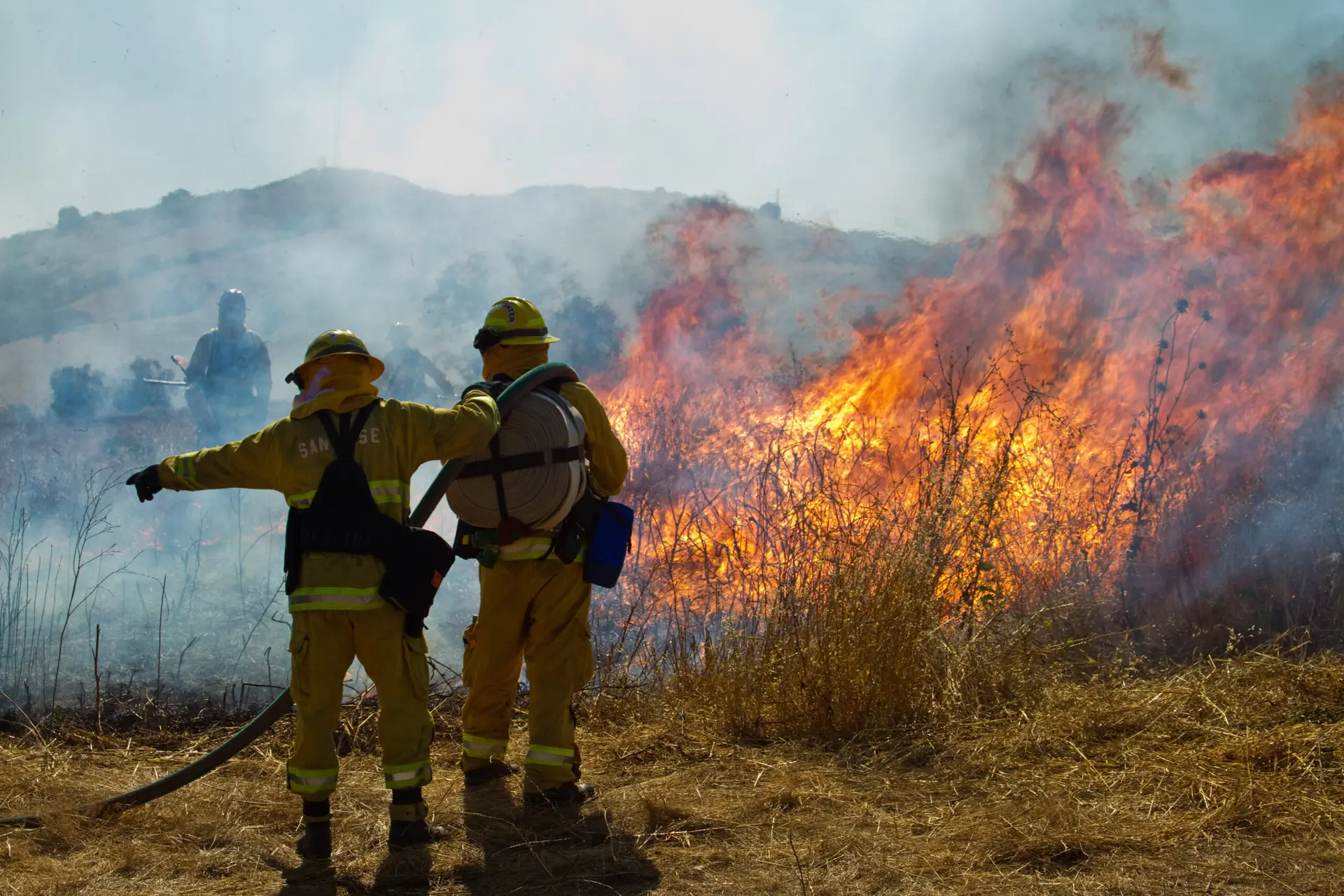

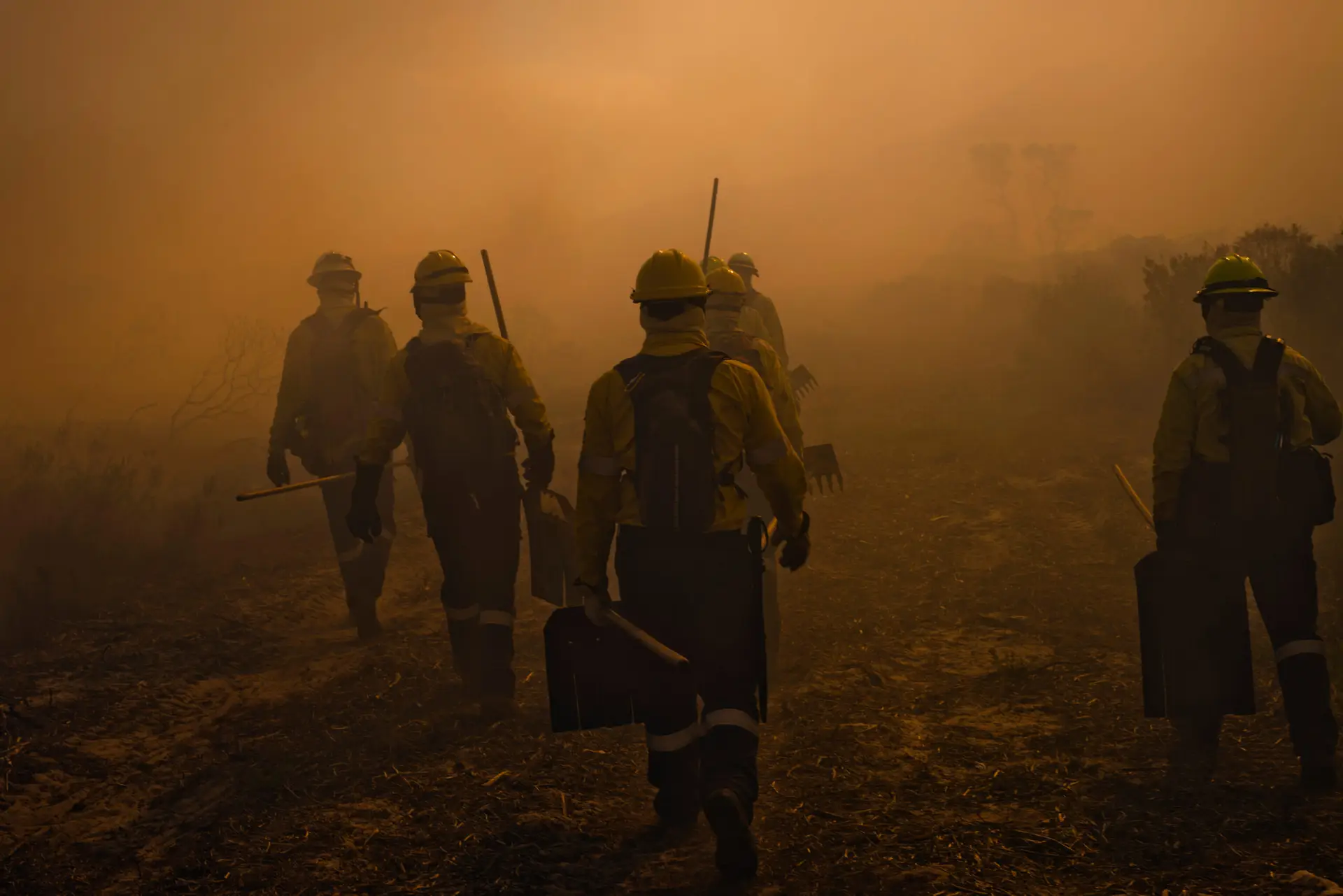
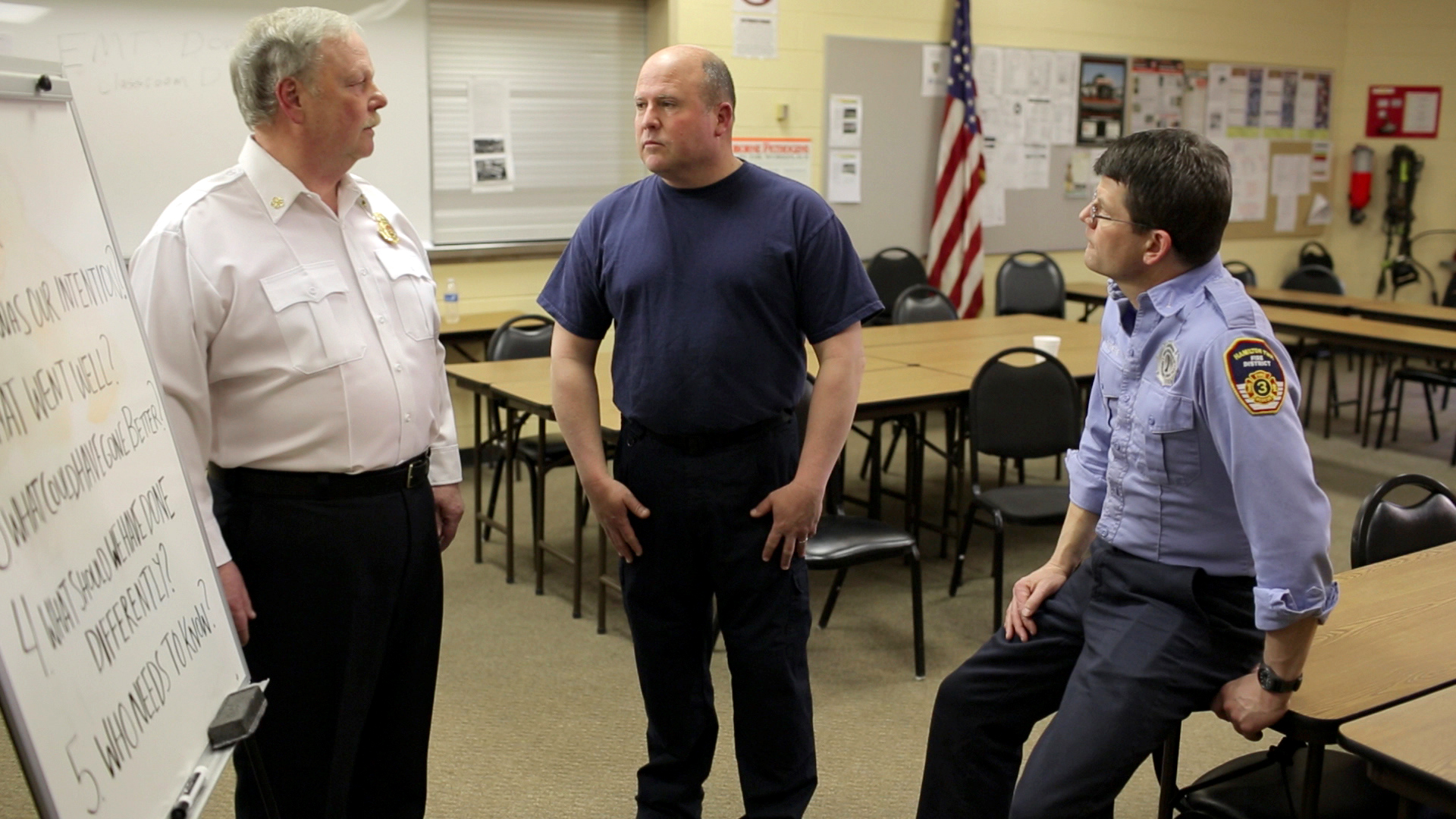


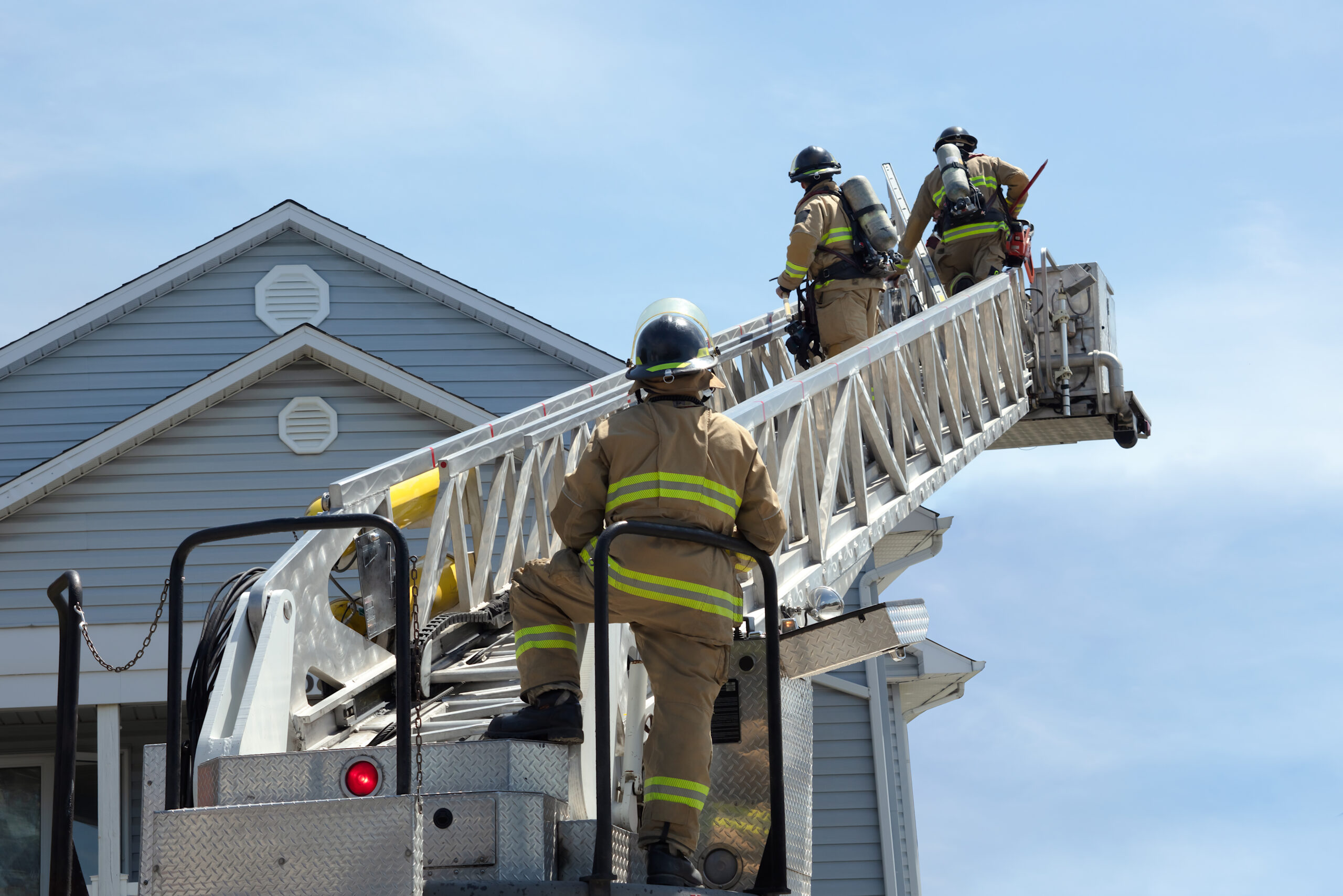
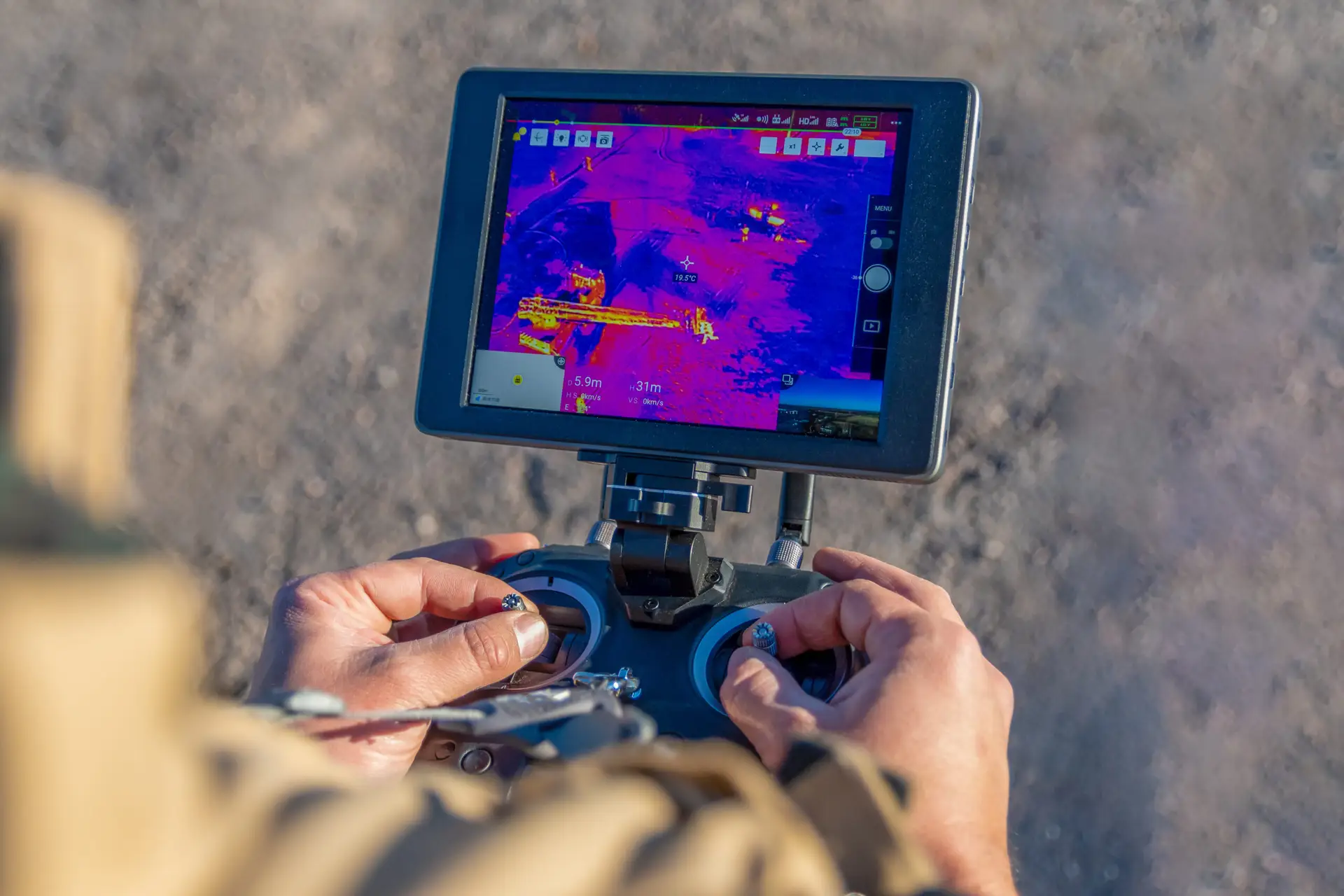
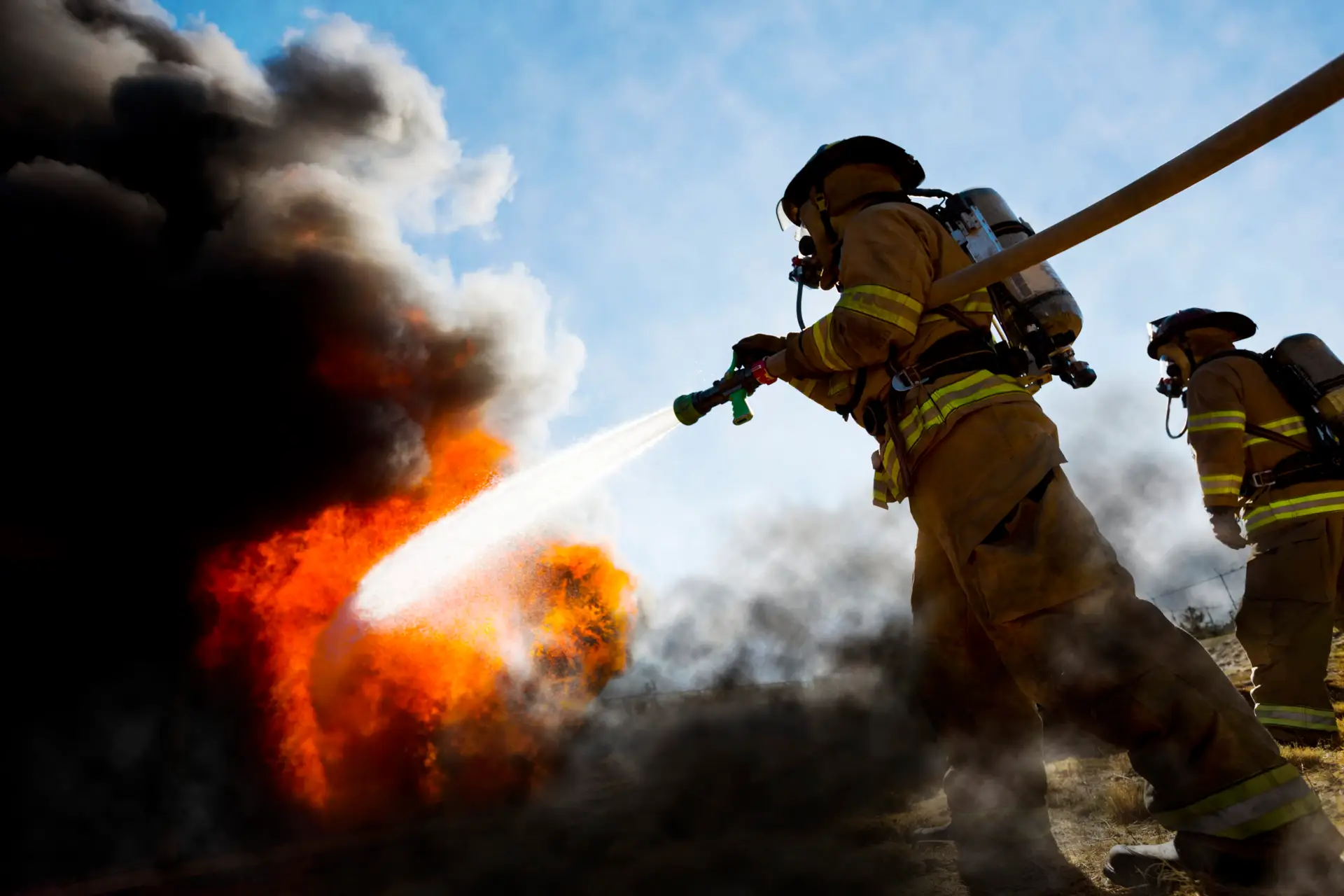



The Fire Hero Learning Network is the National Fallen Firefighters Foundation’s free fire service virtual training platform delivering critical safety, operations and community outreach programs.
The modules are designed for every level of the fire service—from line firefighters to leadership—across all department types, jurisdictions, and operational roles. Developed by subject matter experts and fire service leaders, the curriculum offers interactive training that concludes with a downloadable certificate upon successful completion. All modules are fully compatible on computers, mobile devices, and tablets.
Understanding the Firefighter Life Safety Initiatives Matrix
Four Pillars
The matrix is built around four pillars, each representing a major aspect of a firefighter’s life and career:
- Survival Culture and Leadership:
Centers on fostering a survival-oriented mindset, leadership accountability, mentorship, and a culture that empowers all members to prioritize safety. - Health and Wellness:
Elevates mental health, resilience, and evolving health practices to the same level as traditional safety concerns. - Training and Competency:
Emphasizes lifelong learning, leveraging new technologies, and ensuring up-to-date competencies. - Community and Government:
Focuses on enhancing firefighter safety through policy, legislative support, funding, and community engagement.
Three Perspectives
The matrix also incorporates three strategic perspectives, representing elements that create the firefighter’s environment.
- Firefighter Well-Being:
Ensuring all efforts converge on directly supporting firefighter well-being, health, safety, and resilience. - Practices and Standards:
Adoption and implementation of evidence-based practices, national standards, and continuous improvement. - Organizational Capacity:
The ability of departments to sustain safety initiatives through leadership, resources, and policies.
I
Survival Culture and Leadership
II
Health and
Wellness
III
Training and
Competency
IV
Community and
Government
Firefighter
Well-Being
Initiative 1
Mentorship Momentum
Foster a sustainable culture of knowledge transfer and motivation to mentor, ensuring that the torch of mentorship is passed through successive generations.
- 3. Risk Management
- 1. Cultural Change
- 4. Empowerment
Initiative 4
Mindful Resilience
Actively promote resilience training and other mental health resources for firefighters to support their overall well-being.
- 13. Counseling and Support
- 6. Medical and Fitness Standards
Initiative 7
Lifelong Learning
Offer education and training opportunities that are accessible to all firefighters and across all stages of the career, ensuring that firefighters stay up-to-date with the latest techniques and technologies.
- 9. Investigations
- 5. Training Standards
Initiative 10
Community Connection
Conduct community outreach programs that educate the public on fire safety and prevention, while also advocating for policies that support firefighter safety.
- 14. Public Education
- 15. Code Enforcement and Sprinklers
Practices and Standards
Initiative 2
Leading the Way
Establish consistent leadership practices that empower all members to model survival-focused behaviors and promote a culture of growth and resilience.
- 11. Response Policies
- 4. Empowerment
- 1. Cultural Change
Initiative 5
Evolving Health Practices
Establish and regularly update health and wellness policies, including health screenings and fitness assessments, to reflect evolving science and best practices.
- 9. Investigations
- 6. Medical and Fitness Standards
Initiative 8
Training and Innovation
Leverage innovative learning technologies to expand access to high-quality training.
- 8. Technology
- 2. Accountability
Initiative 11
Engage the Community
Develop and maintain long-standing policies and procedures for engaging with government and community stakeholders.
- 10. Grant Support
- 11. Response Policies
Organizational Capacity
Initiative 3
Leadership Evolution
Develop leadership training programs that identify and strengthen the attributes and competencies necessary to foster a survival-oriented culture within fire service organizations.
- 4. Empowerment
- 2. Accountability
- 1. Cultural Change
Initiative 6
Comprehensive
Wellness Programs
Design comprehensive wellness programs that can be integrated into the daily routines of all fire departments.
- 13. Counseling and Support
- 6. Medical and Fitness Standards
Initiative 9
Organizational Proficiency
Maintain awareness of skill proficiencies throughout the organization to address and fill training gaps.
- 7. Research Agenda
- 5. Training Standards
Initiative 12
Forge Shareholder Partnerships
Build Partnerships with governmental agencies and community organizations to support fire service initiatives.
- 12. Violent Incident Protocols
- 10. Grant Support
All pillars and perspectives form an interconnected web that supports firefighter well-being, promoting a long and healthy life.
Evolution of the 16 Firefighter Life Safety Initiatives
The original 16 Initiatives addressed the root causes of firefighter line-of-duty deaths and injuries. They emphasized:
- Cultural change and leadership accountability
- Risk management and incident command
- Empowerment to stop unsafe acts
- National standards for training and medical/fitness
- Research, technology, and investigation of near-misses
- Public education and code enforcement
History of the Everyone Goes Home® Program
The journey that began in Tampa in 2004 with the creation of the 16 Firefighter Life Safety Initiatives was
born out of necessity and hope – a necessity to address the tragic and preventable loss of firefighters, and
a hope that, together, all of us could build a safer, stronger fire service. For two decades, these initiatives have served as the backbone of our collective efforts, shaping policy, culture, and operational standards across the nation. They have guided us as we tackled the root causes of firefighter fatalities and injuries, from cultural change and leadership accountability to wellness, training, and risk management.
While these initiatives have driven significant improvements in safety, the fire service recognized the need for
a more adaptable, interconnected approach to address emerging risks and to avoid stagnation as objectives
were achieved.
The Original 16 Firefighter Life Safety Initiatives
1.
Define and advocate the need for a cultural change within the fire service relating to safety; incorporating leadership, management, supervision, accountability and personal responsibility.
2.
Enhance the personal and organizational accountability for health and safety throughout the fire service.
3.
Focus greater attention on the integration of risk management with incident management at all levels, including strategic, tactical and planning responsibilities.
4.
All firefighters must be empowered to stop unsafe practices.
5.
Develop and implement national standards for training, qualification, and certification (including regular recertification) that are equally applicable to all firefighters based on the duties they are expected to perform.
6.
Develop and implement national medical and physical fitness standards that are equally applicable to all firefighters, based on the duties they are expected to perform.
7.
Create a national research agenda and data collection system that relates to the 16 Firefighter Life Safety Initiatives.
8.
Utilize available technology wherever it can produce higher levels of health and safety.
9.
Thoroughly investigate all firefighter fatalities, injuries, and near-misses.
10.
Grant programs should support the implementation of safe practices and procedures an/or mandate safe practices as an eligibility requirement.
11.
National standards for emergency response policies and procedures should be developed and championed.
12.
National protocols for response to violent incidents should be developed and championed.
13.
Firefighters and their families must have access to counseling and psychological support.
14.
Public education must receive more resources and be championed as a critical fire and lie safety program.
15.
Advocacy must be strengthened for the enforcement of codes and the installation of home fire sprinklers.
16.
Safety must be a primary consideration in the design of apparatus and equipment.
Firefighter Life Safety Summit Reports
Firefighter Life Safety Mini-Summit Reports
- Wildland Firefighter Summit - February 1, 2005 (San Diego, CA)
- Firefighter Life Safety Initiatives Program Summit – April 13, 2005 (Indianapolis, IN)
- Structural Firefighting Summit – July 27, 2005 (Baltimore, MD)
- Emergency Vehicles and Roadway Safety Summit – January 21, 2006 (Orlando, FL)
- Health, Wellness, and Fitness Summit – February 20, 2006 (San Diego, CA)
- Prevention Mini-Summit – January 13, 2007 (Washington, DC)