Community Connection
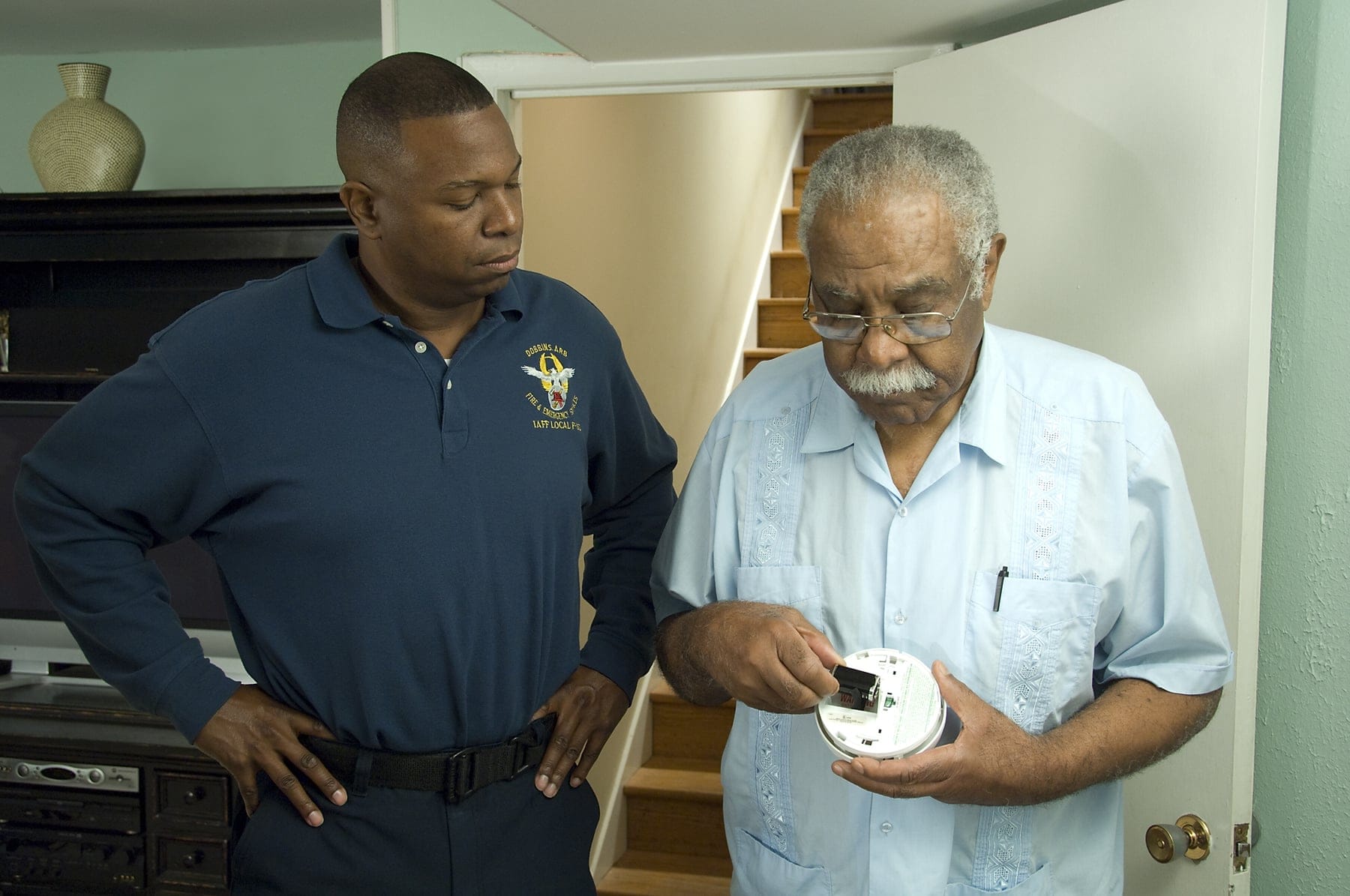
Conduct community outreach programs that educate the public on fire safety and prevention, while also advocating for policies that support firefighter safety.
Related Pillar and Perspective:
- Community and Government
- Firefighter Well-Being
Inside the new Firefighter Life Safety Initiative 10
Combines these original initiatives:
- Public Education
- Code Enforcement and Sprinklers
The revised Life Safety Initiatives Matrix was developed to better respond to the evolving needs of the nation’s fire service. The original 16 initiatives were evaluated, restructured, and consolidated into 12 initiatives, organized under four primary pillars and addressed from three distinct perspectives. The result is a more comprehensive and adaptable framework designed to guide behavior and decision-making that prioritizes continuous learning and supports the integration of new knowledge, techniques, and technologies.
This month, attention turns to Life Safety Initiative #10: Community Connection, positioned under Pillar IV: Community and Government and examined through the Firefighter Well-Being perspective. This initiative emphasizes the essential role of meaningful partnerships between fire rescue organizations and the communities they serve. It recognizes that improving safety outcomes requires more than emergency response. It requires proactive engagement, collaboration, education, and trust-building efforts that address risks before emergencies occur.
Community Connection emphasizes:
- 1. Building trusted relationships by fostering strong, ongoing connections between fire rescue personnel and community members through engagement, transparency, and consistent communication. Trust strengthens collaboration and creates opportunities to identify partnerships and address community-specific risks.
- 2. Community-centered risk reduction through working alongside residents, businesses, schools, and community organizations to develop prevention strategies, promote safety education, and support initiatives that reduce injuries, fatalities, and property loss. Effective risk reduction is most successful when it reflects the unique needs and challenges of the community.
- 3. Shared responsibility for safety by reinforcing the understanding that community safety is a collective effort. Fire rescue organizations, community leaders, stakeholders, and residents all play a role in identifying hazards, promoting preparedness, and supporting resilient communities.
LSI #10 recognizes that lasting improvements in safety are achieved when fire rescue organizations move beyond traditional response models and actively engage with those they serve. Strong community connections enhance public trust, improve communication during emergencies, and create opportunities for collaborative problem-solving that supports both firefighter and civilian safety.
Community connection also contributes to long-term resilience by helping organizations better understand changing community demographics, emerging risks, and evolving service expectations. When fire rescue organizations prioritize engagement, foster meaningful partnerships, and create opportunities for two-way communication, they strengthen their ability to anticipate challenges and develop solutions that improve safety outcomes for everyone.
By embracing Community Connection as a core component of the fire rescue mission, organizations can build stronger relationships, increase public confidence, and create safer, more resilient communities for generations to come. – Danny Kistner, Director of the Institute for Firefighter Survivability
More About Initiative
- FEMA: Community Emergency Response Team (CERT)
- Stanford Medicine: Community Outreach Programs
- USFA: Fire is Everyone’s Fight®
- USFA: Fire Prevention and Community Risk Reduction
- UL: Fire Safety Research Institute, Resources
- NFPA: Firewise US Resources
- American Red Cross: Home Fire Safety
- Orlando Health: Injury Prevention and Community Outreach
- Injury Free Coalition for Kids® : National Injury Prevention Day Tool Kit
- Fire Adapted Community Learning Network: Wildfire Adaptation Resource Hub
- USDA: Wildfire Risks to Community
- Ready.gov: Wildfires
Initiative Article Spotlight
- Fire Rescue 1: Why every fire department needs a community outreach specialist
- Fire Safety Research Institute: Lahaina Fire Incident Analysis Report
- Fire Safety Research Institute: Recommendations to Improve Passenger Railcar Safety During Electric Micromobility Vehicle Fires
- Fire Technology: Examining the Impact of Residential Fire Sprinklers on e-Scooter Fires Initiated by Thermal Runaway of Li-Ion Batteries
- National Council on Aging: Partnering with Injury and Violence Prevention Agencies on Falls Prevention
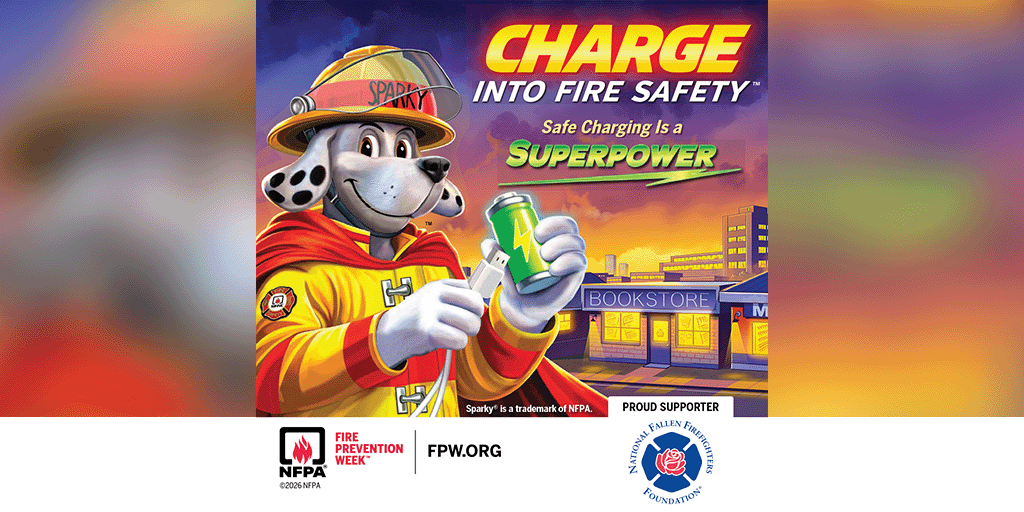
- National Fire Protection Association: Fire Prevention Week
- National Volunteer Fire Council: What to Expect A Guide for New Firefighter Families 2nd Edition
- Northwell Health: Guiding Health Systems to Action on Firearm Injury and Violence Prevention
- Wisconsin Department of Health: Wisconsin’s Injury and Violence Prevention Plan: Strategies and Approaches for Action
Book Spotlight
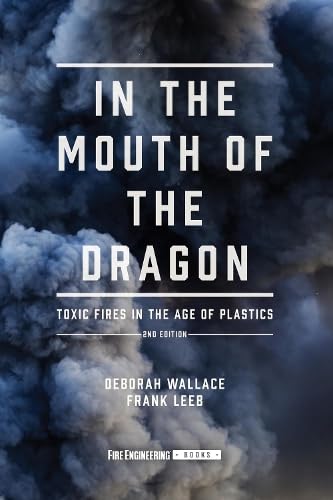
In the Mouth of the Dragon: Toxic Fires in the Age of Plastics, second edition, is an essential resource for firefighters, fire officers, fire instructors, and emergency response professionals. Updated and expanded from Deborah Wallace’s groundbreaking toxicology research, this new edition examines the deadly impact of toxic smoke from modern plastics and synthetic materials, the growing cancer risk among firefighters, and proven strategies for exposure reduction. Coauthored by fire service leader Frank Leeb, the book combines scientific research, real-world fire case studies, and modern firefighting tactics to help responders understand smoke toxicity, carcinogen exposure, decontamination practices, and firefighter health in today’s evolving fire environment.
* Your purchase through our Amazon Associates program will benefit the programs of the National Fallen Firefighters Foundation to honor America’s fallen fire heroes; support their families, colleagues, and organizations; and work to reduce preventable firefighter death and injury.
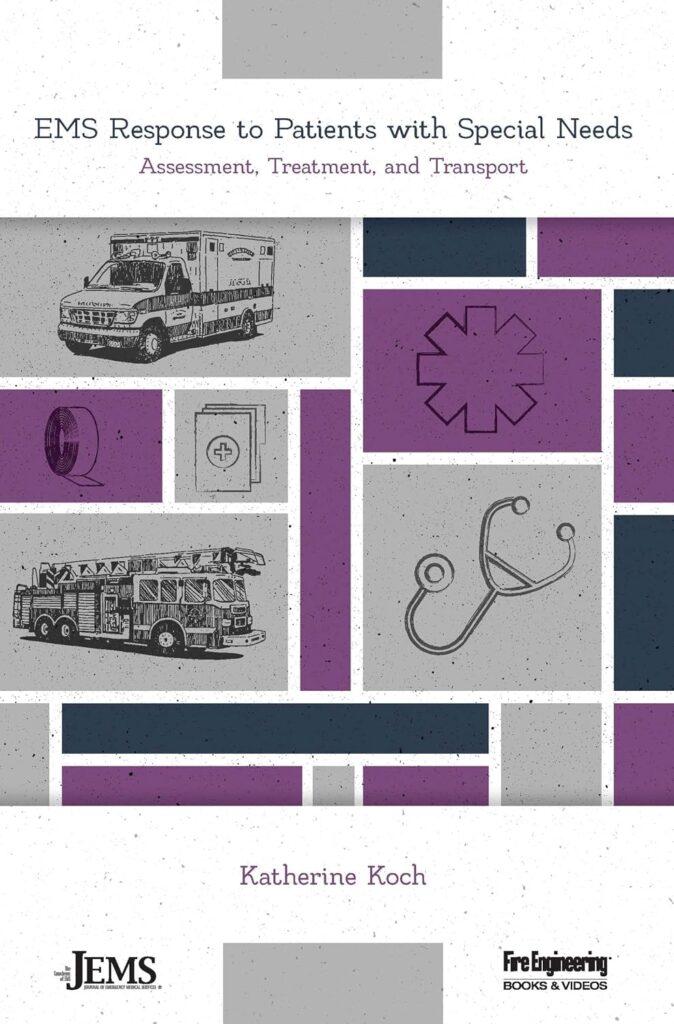
In the Mouth of the Dragon: Toxic Fires in the Age of Plastics, second edition, is an essential resource for firefighters, fire officers, fire instructors, and emergency response professionals. Updated and expanded from Deborah Wallace’s groundbreaking toxicology research, this new edition examines the deadly impact of toxic smoke from modern plastics and synthetic materials, the growing cancer risk among firefighters, and proven strategies for exposure reduction. Coauthored by fire service leader Frank Leeb, the book combines scientific research, real-world fire case studies, and modern firefighting tactics to help responders understand smoke toxicity, carcinogen exposure, decontamination practices, and firefighter health in today’s evolving fire environment.
* Your purchase through our Amazon Associates program will benefit the programs of the National Fallen Firefighters Foundation to honor America’s fallen fire heroes; support their families, colleagues, and organizations; and work to reduce preventable firefighter death and injury.
Podcasts

Action-Steps for Firefighters & Fire Officers
- Firefighters build trust.
- Company Officers foster relationships.
- Chief Officers create opportunities.
- Families strengthen the foundation.
Firefighter: Be a Trusted Community Representative
- Firefighters are often the most visible connection between the department and the public.
How Firefighters Create Community Connection:
- Build trust through positive interactions with residents, businesses, schools, and community groups and participate in fire rescue safety and prevention programs throughout the community.
- Demonstrate professionalism, compassion, and approachability during every public interaction.
- Support fellow firefighters and create a culture where people feel connected and valued serve as role models for safety, preparedness, and resilience.
Community Impact:
- Strong firefighter-community relationships increase trust, improve public safety awareness, and strengthen support for fire rescue.
Company Officer: Build Connections Through Communication
- Company Officers bridge the connection between organizational goals, firefighters, and the community.
How Company Officers Create Community Connection:
- Foster a crew culture built on trust, communication, and mutual support.
- Be an active listener who actively seeks opportunities to understand and connect with others.
- Develop partnerships with neighborhood groups, schools, and local organizations and encourage personnel to participate in community engagement activities.
- Model empathy, professionalism, and community-focused service and ensure personnel are prepared to represent the department positively.
Community Impact:
- When crews feel connected and supported internally, they are better equipped to build strong relationships externally.
Chief Officer: Champion Community Partnerships
- Chief Officers establish the vision and infrastructure necessary for lasting community relationships.
How Chief Officers Create Community Connection:
- Promote community engagement as a core organizational value and develop programs that connect firefighters with residents, businesses, youth, and community leaders.
- Advocate for firefighter safety and wellness through collaboration with community stakeholders.
- Support public education initiatives focused on prevention, preparedness, and resilience and invest in resources and partnerships that strengthen community trust.
- Recognize and celebrate efforts that improve community relationships.
Community Impact:
- Strong leadership creates a fire rescue agency that is viewed as a trusted community partner rather than only an emergency response organization.
Family: Extend the Connection Beyond the Firehouse
- Families help build understanding between firefighters, fire rescue, and the community.
How Families Create Community Connection:
- Participate in department-sponsored events and community activities and support positive relationships between firefighters and community members.
- Serve as advocates for firefighter wellness and community involvement. Such as, help educate others about the challenges and rewards of careers in fire rescue.
- Strengthen the support network that allows personnel to effectively serve their communities and build relationships with other fire rescue families, creating a stronger community support system.
Community Impact:
- Connected families contribute to stronger firefighters, healthier departments, and more resilient communities.
Credit Hours: 1 Hour
Credit Hours: 1 Hour
Credit Hours: 1 Hour
Credit Hours: 1 Hour
Credit Hours: 1 Hour
Credit Hours: 1 Hour
Credit Hours: 2 Hours
Credit Hours: 1 Hour
Credit Hours: 1 Hour
Credit Hours: 1 Hour
Credit Hours: 2 Hours
Credit Hours: 1 Hour
Initiative #10 Feedback
Help us improve Community Connection in fire rescue!