Engage the Community
Develop and maintain long-standing policies and procedures for engaging with government and community stakeholders.
Inside the new Firefighter Life Safety Initiative 11
Combines these original initiatives:
- Grant Support
- Response Policies
The revised Life Safety Initiatives Matrix was developed to better respond to the evolving needs of the nation’s fire service. The original 16 initiatives were evaluated, restructured, and consolidated into 12 initiatives, organized under four primary pillars and addressed from three distinct perspectives. The result is a more comprehensive and adaptable framework designed to guide behavior and decision‑making that prioritizes continuous learning and supports the integration of new knowledge, techniques, and technologies.
This month, attention turns to Life Safety Initiative #11: Engage the Community, positioned under Pillar IV: Community and Government and examined through the Practices and Standards perspective. This initiative underscores the essential role of strong community partnerships in enhancing safety, reducing preventable incidents, and supporting the long‑term wellbeing of both firefighters and the public. It emphasizes the need for meaningful, ongoing engagement that empowers residents, builds trust, and strengthens collective readiness.
Engage the Community emphasizes:
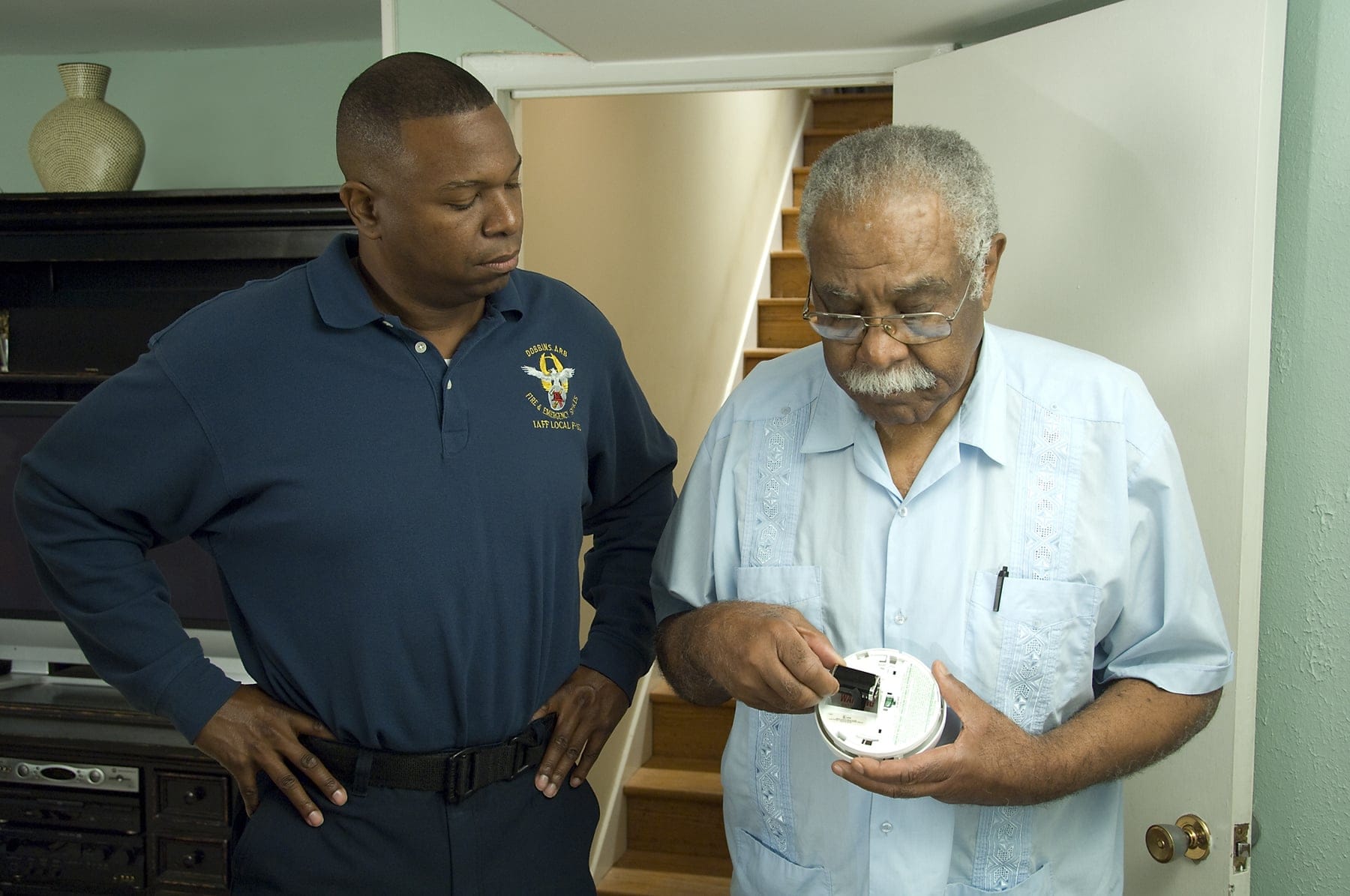
- A commitment to proactive outreach, encouraging fire rescue agencies to build relationships, listen to community needs, and collaborate on solutions that reduce risk and improve safety outcomes.
- High quality, relevant, and accessible public education, ensuring that community members understand current hazards, prevention strategies, and how to respond effectively during emergencies.
- Inclusive and culturally aware engagement pathways, ensuring that every neighborhood has equitable access to safety resources, information, and support.
LSI #11 recognizes that a culture of community engagement builds trust, strengthens communication, and improves decision‑making during high‑pressure events. When the public is informed and involved, firefighters face fewer unknowns, encounter safer environments, and benefit from stronger partnerships during emergencies. Engagement also enhances firefighter wellbeing by reducing preventable risks, improving situational awareness, and fostering a shared sense of responsibility for safety.
When fire rescue agencies invest in open dialogue, education, and collaborative problem‑solving, communities become safer, more resilient, and better prepared to face both everyday hazards and large‑scale emergencies. Proactive engagement not only protects the public, it strengthens the foundation of our profession for years to come.
– Danny Kistner, Director of Fire Service Programs
More About Initiative
- Bloomberg Philanthropies: Mayors Challenge
- CPSE: Community-Driven Strategic Planning
- CFSI Initiatives: Fire Service-Based EMS Tool Kit
- FEMA: Community Emergency Response Team (CERT)
- Firefighter HUB: All Things Firefighting
- ICMA: Community Engagement
- NETC Library: EFO Papers Community (2018-2025)
- NFVC: Fire Corps
- PulsePoint: Community Engagement
- Take Charge of Battery Safety: Public
- U.S. Fire Administration: Community Risk Reduction
- WKKF Community Leadership Network
Initiative Article Spotlight
- CDC: Harnessing the Power of Community Engagement for Population Health
- EPR Fireworks: Importance of Community Partnerships for Fire Department Growth
- FireRescue1.com: Why every fire department needs a community outreach specialist
- ICMA: Participation Is Not Enough: Four Parameters for Evaluating Your Community Engagement Efforts
- ICMA: Why (and How to) Engage Diverse Community Stakeholders?
- Pinellas Community Foundation: Sponsorship 101: A Practical Guide for Nonprofit Fundraising Events
- Tulane University: Why Community Health Is Important for Public Health
Book Spotlights

Learn how to design, organize, and manage prevention programs with Community Risk Reduction: Organizing and Managing Prevention Programs by Jim Crawford. This authoritative guide covers CRR principles, fire and life safety education, code compliance, plan review, and fire investigation. Packed with case studies, review questions, and actionable strategies, it’s an essential resource for fire service leaders and prevention professionals seeking to make communities safer.
* Your purchase through our Amazon Associates program will benefit the programs of the National Fallen Firefighters Foundation to honor America’s fallen fire heroes; support their families, colleagues, and organizations; and work to reduce preventable firefighter death and injury.

Katherine West’s newly updated Infection Control Policies for Community Paramedicine and MIH is a must-read for EMS professionals navigating the evolving landscape of mobile healthcare. With decades of experience and recognition from leading health organizations, West delivers practical, evidence-based guidance on infection control tailored specifically for community paramedicine and mobile integrated healthcare (CP/MIH) settings.
* Your purchase through our Amazon Associates program will benefit the programs of the National Fallen Firefighters Foundation to honor America’s fallen fire heroes; support their families, colleagues, and organizations; and work to reduce preventable firefighter death and injury.
Podcasts


Credit Hours: 1 Hour
Credit Hours: 1 Hour
Credit Hours: 1 Hour
Credit Hours: 1 Hour
Credit Hours: 1 Hour
Credit Hours: 1 Hour
Credit Hours: 1 Hour
Credit Hours: 2 Hours
Credit Hours: 1 Hour
Credit Hours: 1 Hour
Credit Hours: 2 Hours
Credit Hours: 1 Hour
Your feedback on Initiative #1 (Engage the Community) will help departments nationwide strengthen policies, increase community engagement opportunities and encourage action which aligns with best practices. This survey takes less than 2 minutes.
Initiative #11
Help us improve Community Engagement in fire rescue!