Training and Innovation
Leverage innovative learning technologies to expand access to high-quality training.
Related Pillar and Perspective:
- Training and Competency
- Practices and Standards
Inside the New Firefighter Life Safety Initiative 8
Combines these original initiatives:
- Technology
- Accountability
Training & Innovation emphasizes:
- A culture that encourages curiosity, adaptability, and the willingness to evolve in response to new information, research, and lessons learned
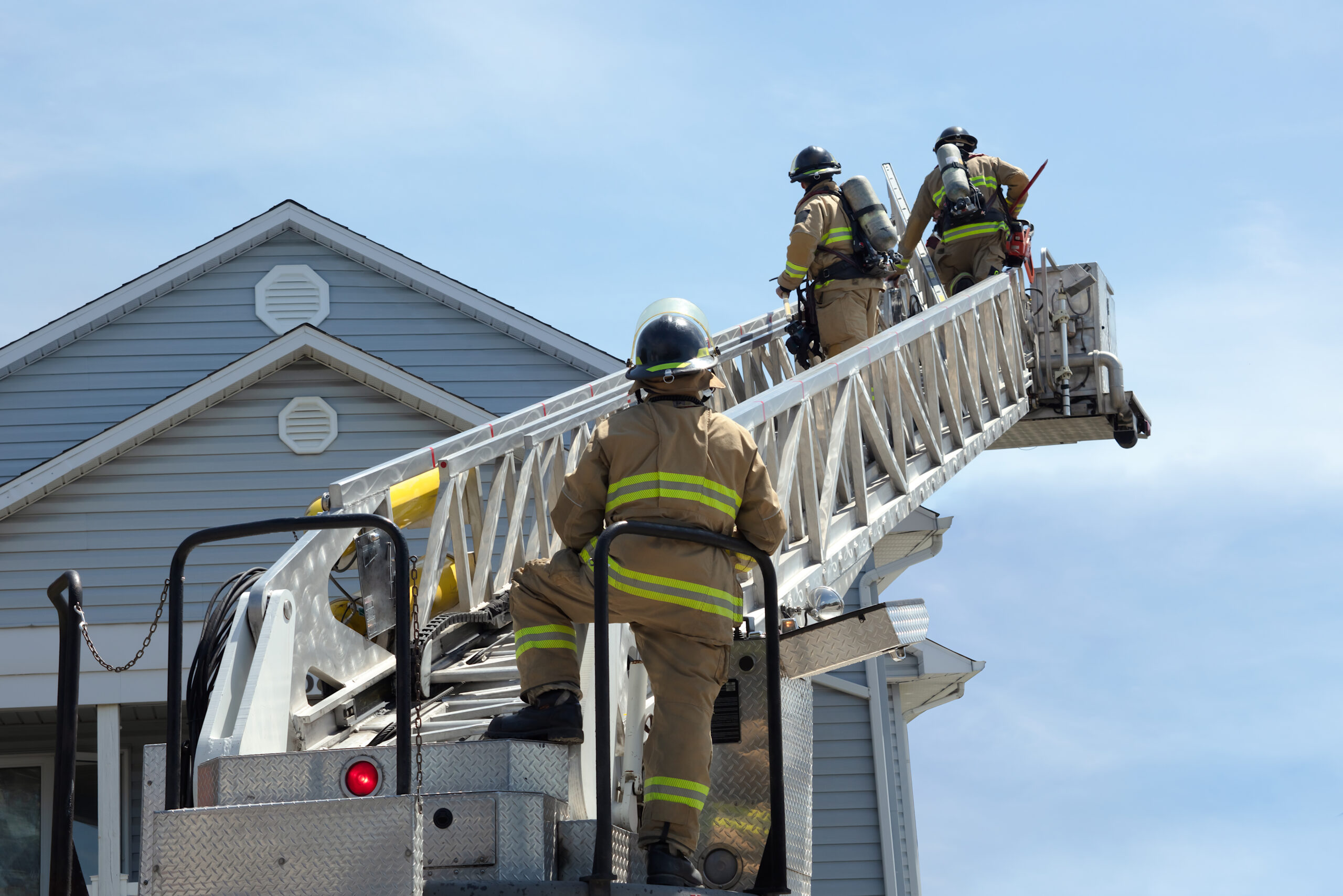
- High‑quality and realistic training that reflects current hazards, operational demands, and emerging risks
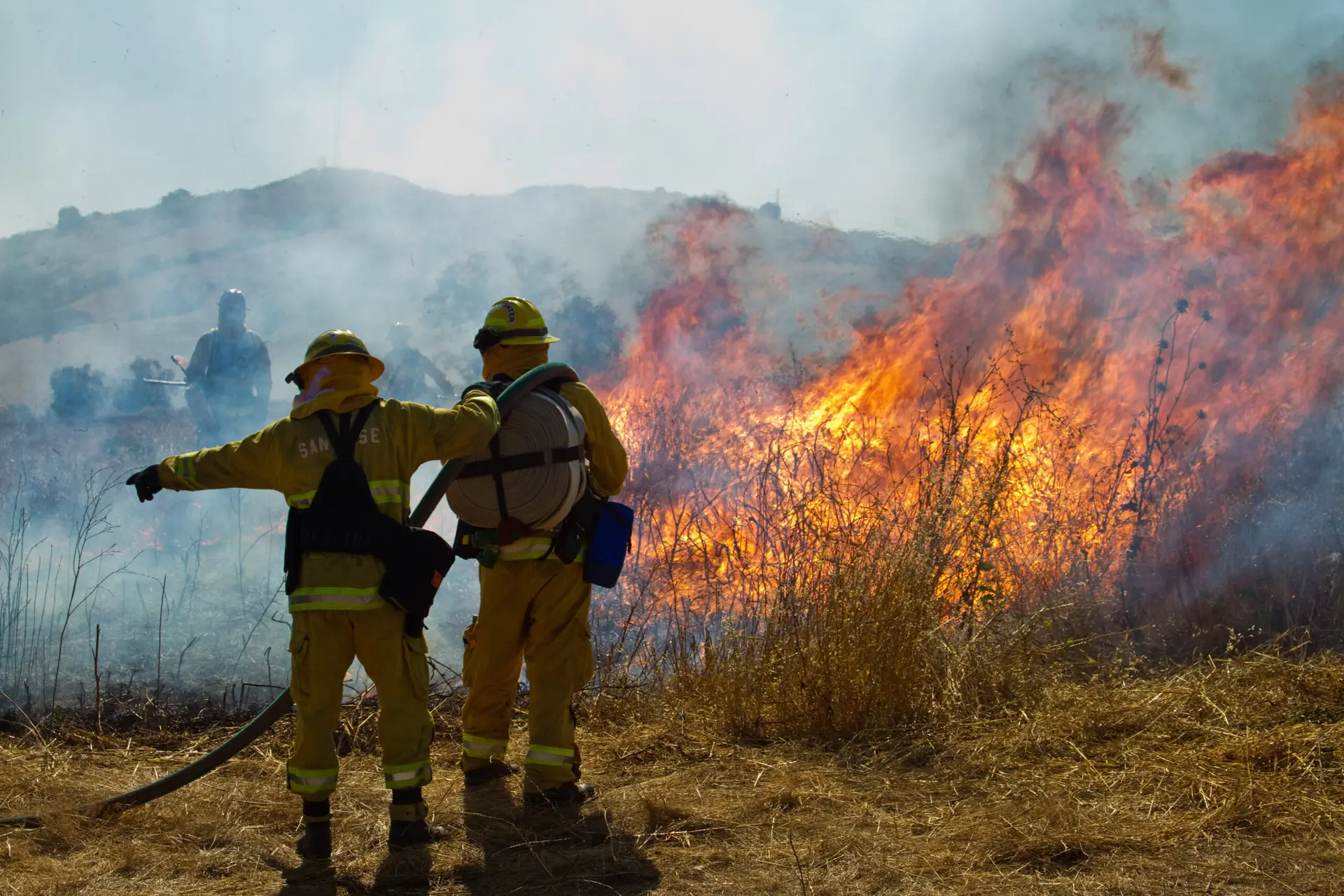
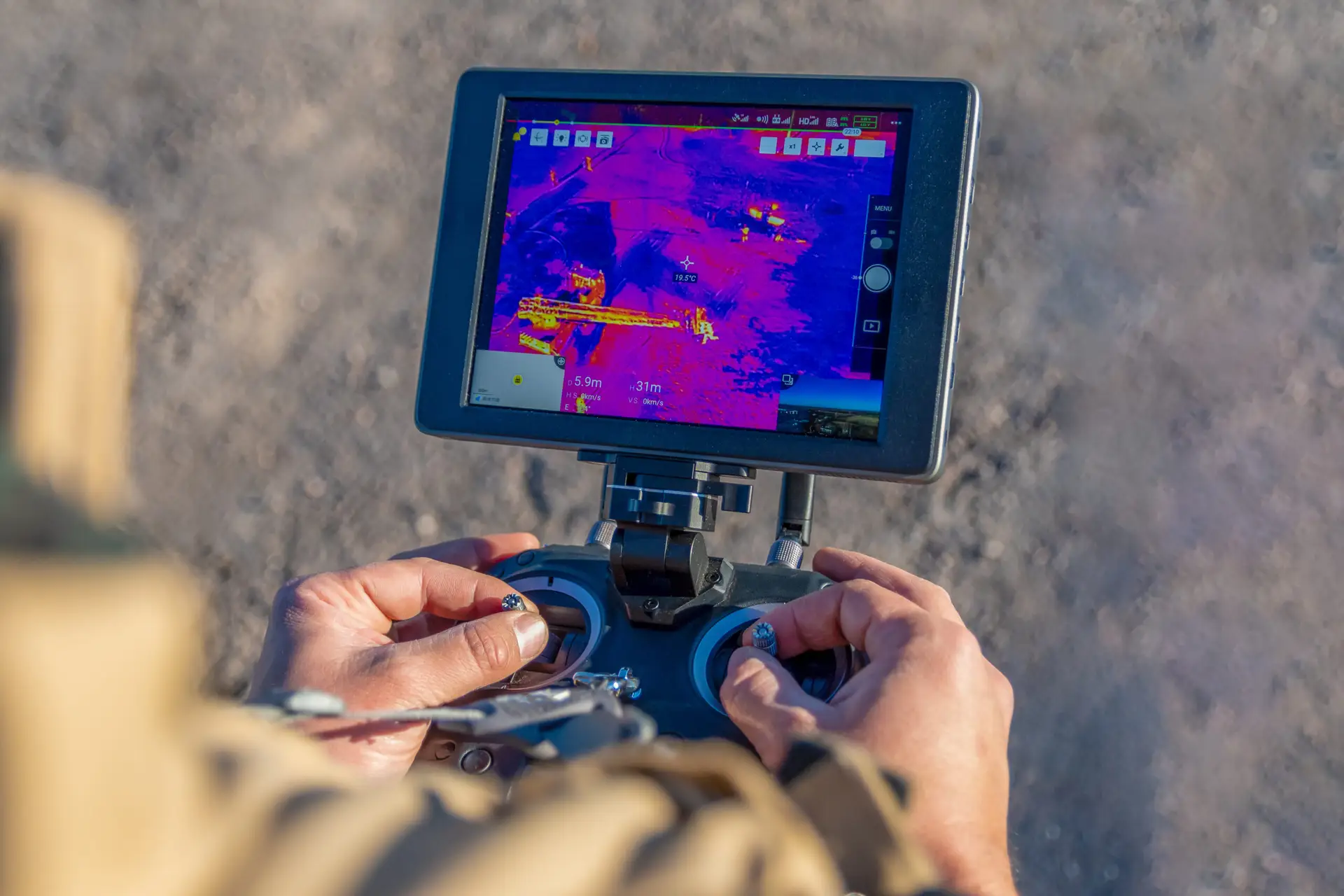
- Adoption of innovative approaches, such as simulation tools, data analysis, and vetted equipment which improves safety and operational effectiveness
The revised Life Safety Initiatives Matrix was developed to better respond to the evolving needs of the nation’s fire service. The original 16 initiatives were evaluated, restructured, and consolidated into 12 initiatives, organized under four primary pillars and addressed from three distinct perspectives. The result is a more comprehensive and adaptable framework designed to guide behavior and decision‑making that emphasizes the importance of training and incorporates innovation.
This month, attention turns to Life Safety Initiative #8: Training & Innovation, positioned under Pillar III: Training and Competency and examined through the Practices & Standards perspective. This initiative underscores the critical importance of modern, evidence‑based training and the integration of innovative tools and technologies that enhance safety, readiness, and overall firefighter wellbeing.
Beyond technical proficiency, Initiative #8 recognizes well‑designed training environments build confidence, reduce uncertainty, and strengthen decision‑making under stress. Innovation further supports wellbeing by offering safer training modalities, improving situational awareness, and reducing preventable exposures, injuries and death. When firefighters are equipped with modern tools and supported by forward‑thinking training programs, they are better prepared to manage both operational challenges and the mental demands of our profession. Proactive investment in training and innovation today strengthens the foundation for years to come. – Danny Kistner, Director of Fire Service Programs
More About Initiative
- DHS: National Urban Security Technology Laboratory
- IFSTA: Training Resources for Firefighters
- National Emergency Training Center Library: EFO Papers Training (2018-2025)
- National Fire Academy Course: Analytical Tools for Decision-Making R0387
- NFPA Webinars On-Demand
- Science to the Station: Re-Search
- UL Fire Safety Research Institute
- U.S. Fire Administration: WUI Research and Technology
Playlist
1:08:45

56:04
Initiative Article Spotlight
- CPSE Center for Innovation: Strategic Scan on Fire Department Leadership Perspectives on Apparatus Capital Purchasing
- DHS Science & Technology: Technology to Reduce the Impacts of Wildfires
- Firehouse: The Fire Service Scoop
- iChiefs Magazine (Fall 2025): Technology in the Fire Service
- International Fire Service Journal of Leadership and Management: Training Safety Culture and Tactical Safety Climate: Firefighter Views on Training, Fireground Tactics, and Self-Contained Breathing Apparatus (SCBA) Use
- NERIS: At Scale: What the First Million NERIS Reports Tell Us
Opportunity Spotlight - NFFF & Darley Thought Leadership Essay Contest
This year’s Thought Leadership Essay Contest invites fire and rescue personnel to explore practical ways AI can improve firefighter health, wellness, and safety over roughly the next two years, not in a distant future.
Book Spotlight
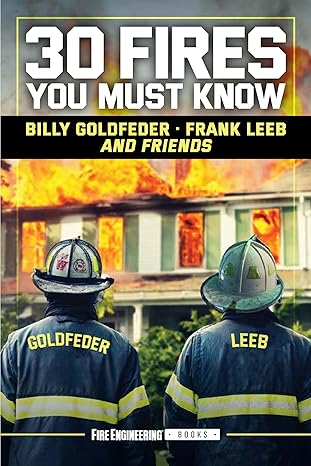
A collection of accounts of 30 historically significant modern fires with lessons learned for the education of currently serving firefighters.
* Your purchase through our Amazon Associates program will benefit the programs of the National Fallen Firefighters Foundation to honor America’s fallen fire heroes; support their families, colleagues, and organizations; and work to reduce preventable firefighter death and injury.
Podcasts


Action-Steps for Firefighters & Fire Officers
For Firefighters
Maintain your thirst for learning.
The sheer volume of knowledge, skills, and abilities it takes to be an effective firefighter is why the adage “lifelong learning” applies to our craft. It’s not just a matter of the overwhelming number…it’s about the level of skill that is required. The need is for us to show up on-scene and perform at an incredibly high level when we get the call on someone’s worst day.
Everyday has to be a learning day. But with that we have to recognize that excellence, not just competence, is the goal. Our craft is not an easy one, we must be able to operate across an entire spectrum of emergencies, know and understand the tactical environment without fail. At the same time we have to be able to take care of ourselves and our Brothers and Sisters. That means adopting the same thirst for knowledge about behavioral health, reducing cancer, physical well-being, that we have for working on the fireground.
Most importantly, being teachable, wanting to be 1% better today than you were yesterday, means that you improve your chance to serve your community well and live well for years to come.
For Company Officers
Know your role as the instructor/trainer of first resort.
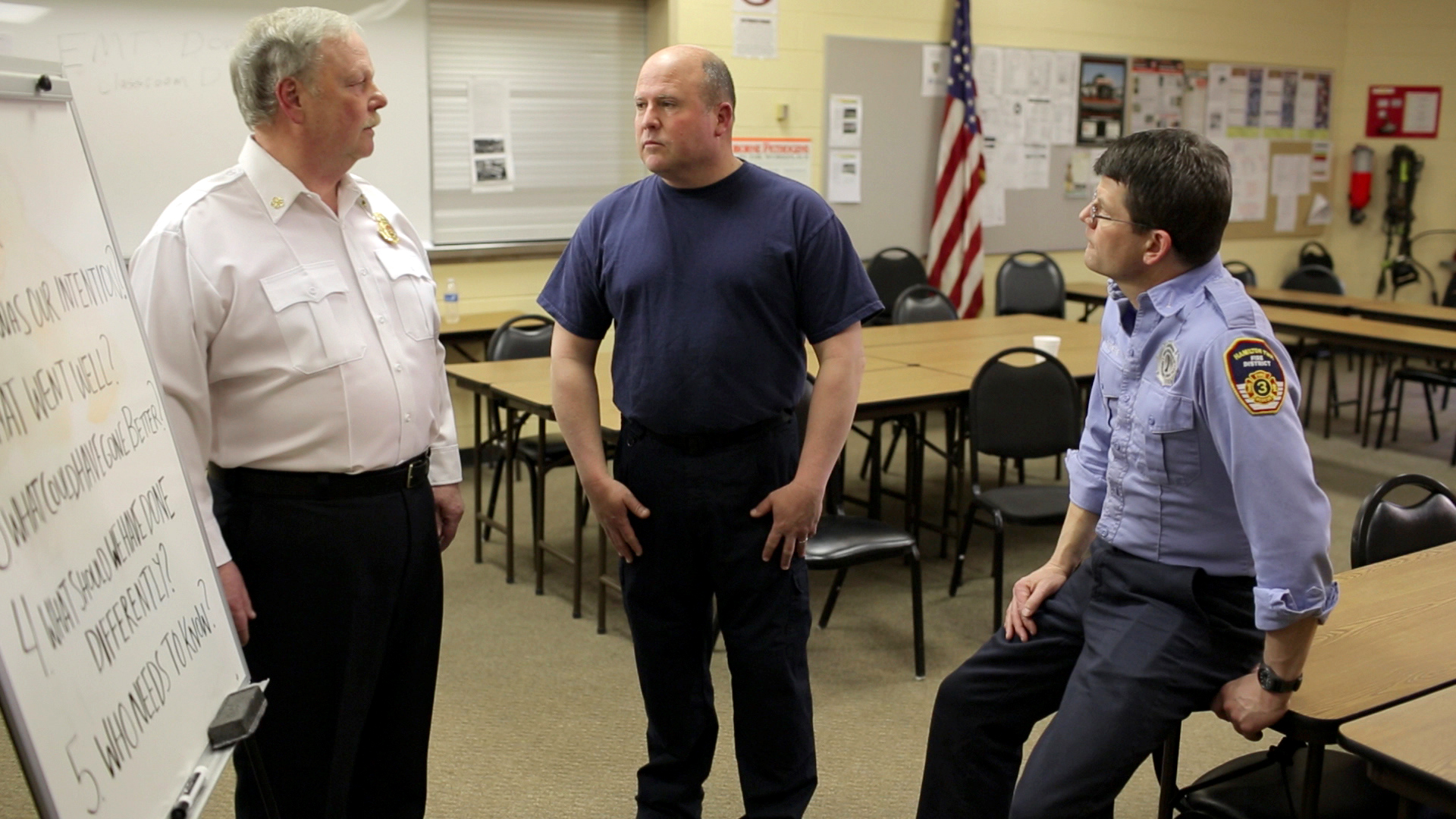
While a centralized, formal schooling process with academy instructors can often be the start of a firefighter’s learning journey, in the long run it will only account for a very small percentage of who they learn from. Over the course of potentially decades of serving the company officer will be the teacher who has the greatest impact on the firefighter. They will be there day-in and day-out, providing a base of knowledge, formulating training plans, ensuring that the members stay focused on learning.
For this to happen the company officer has to know a lot, and equally importantly, know what they don’t know. Company Officers must be able to model admitting what they don’t know and demonstrate the process of continuous learning.
With the understanding that developing firefighter and crew excellence is job #1, it must be recognized the incredibly wide range of topics that need to be taught. This requires adaptability and the ability to engage with new technology in pursuit of that mission. An open mind to learning is the first step to become an effective teacher, which every company officer should strive for.
For Chief Officers
Build learning structures that support the entire organization and adopt proven technologies.
The fire service’s ability to train its newest members in task-level skills is strong. Whether it’s a traditional structured academy or a taskbook accomplished over months on duty nights, there is an absolute focus on ensuring our next generation understands the basics.
At the strategic level a much broader view is crucial. A focus on life-long (career-long) learning has to be the goal. Professional development at all ranks with a focus on leadership training and education. Ensuring training and education on behavioral health, cancer reduction, physical wellness receive as much attention as advancing hoselines, EMS care, and extrication operations.
With so much to cover and limited time in which to accomplish the mission (achieving excellence on all fronts) technologies that streamline the educational process as well as the operational ones, become even more vital. While the fire service is not given rapid adoption of “the next new thing”, the pace of change and evolution of advancing capabilities means we have to learn to quickly evaluate what is next and how we can benefit from it.
For Family
From the family perspective, evolving through learning is imperative for the success of the family. The family must continue to adapt and grow through various stages of life and career. This includes having kids, raising them, caring for aging parents, and changes in work career or position. Evolution as a family is the key to a marriage and family whose needs ebb and flow.
Sometimes, this may not look pretty. Working through adversity is the ultimate teacher. Do not be afraid to seek counseling or reach out to other families in the same boat. Use the Internet for resources, book recommendations, or professional help. Accept that change on both sides may need to happen, it may happen urgently and on the fly; others may be able to be implemented over time. The ability to read the room and pivot to meet the needs of the family or your partner is paramount for the family to remain connected and cohesive particularly in difficult times. The family is your first team and is your foundation.
Learn with your firefighter, from mistakes, from positives, and apply new behaviors that help your family unit connect and thrive. Open dialogue and honest discussion are crucial to the success of each family.
Credit Hours: 1 Hour
Credit Hours: 1 Hour
Credit Hours: 1 Hour
Credit Hours: 1 Hour
Credit Hours: 1 Hour
Credit Hours: 1 Hour
Credit Hours: 1 Hour
Credit Hours: 1 Hour
Credit Hours: 2 Hours
Credit Hours: 2 Hours
Credit Hours: 1 Hour
Credit Hours: 1 Hours
Help us improve Training and Innovation in fire rescue!
Your feedback on Initiative #8 (Training and Innovation) will help departments nationwide strengthen policies, incorporate modern training and encourage innovation which aligns with best practices. This survey takes less than 2 minutes.
Initiative #8 Feedback
Help us improve firefighter mentorship!