Forge Shareholder Partnerships
Build partnerships with governmental agencies and community organizations to support fire service initiatives.
Related Pillar and Perspective:
- Community and Government
- Organizational Capacity
Inside the New Firefighter Life Safety Initiative 12
Combines these original initiatives:
- Violent Incident Protocols
- Grant Support
Credit Hours: 1 Hour
Learn how the 16 Firefighter Life Safety Initiatives is an integral part of reducing firefighter fatalities and injuries.
Credit Hours: 1 Hour
Discover how a balanced approach of leadership can help prevent firefighter fatalities and injuries with practical and specific tips.
Credit Hours: 1 Hour
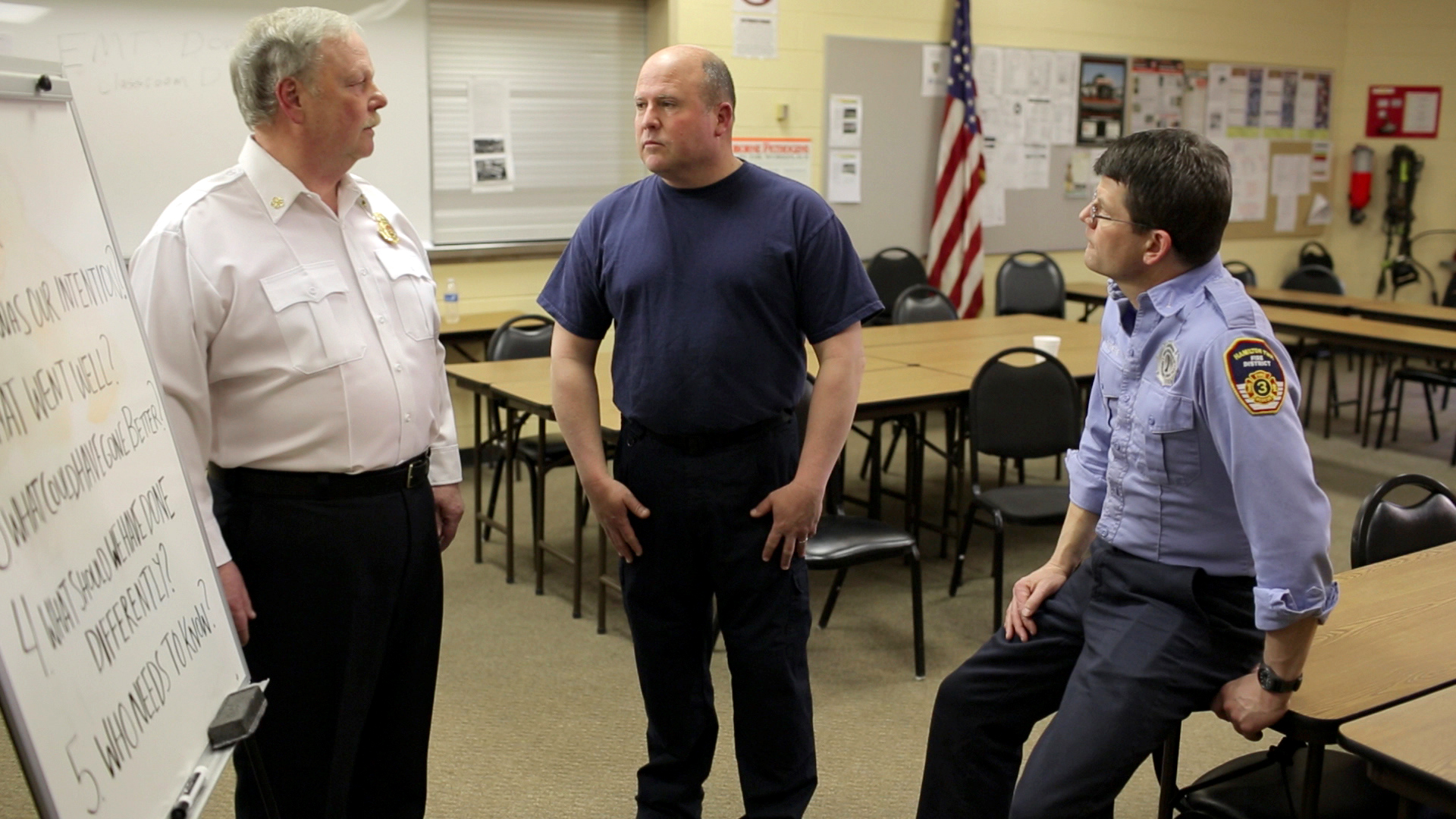
View an unscripted roundtable discussion between five fire service leaders about creating change in the fire service and leading a culture of safety. Topics discussed include: making safety a priority, handling resistance, fostering an environment of trust and risk mitigation.
Credit Hours: 1 Hour
Learn from two committed company officers and one unforgettable survivor who have made a significant impact locally and nationally through community risk reduction.
Credit Hours: 1 Hour
Review the benefits of automatic fire sprinkler and alarm systems to firefighter health and safety and evaluate a set of core principles to guide a firefighter’s interaction with these systems.
Credit Hours: 1 Hour
Apply firefighter health and safety principles to violent incident response policies, standard operating procedures and training. Updated in 2021 to include responding to active shooter and civil unrest events
Credit Hours: 1 Hour
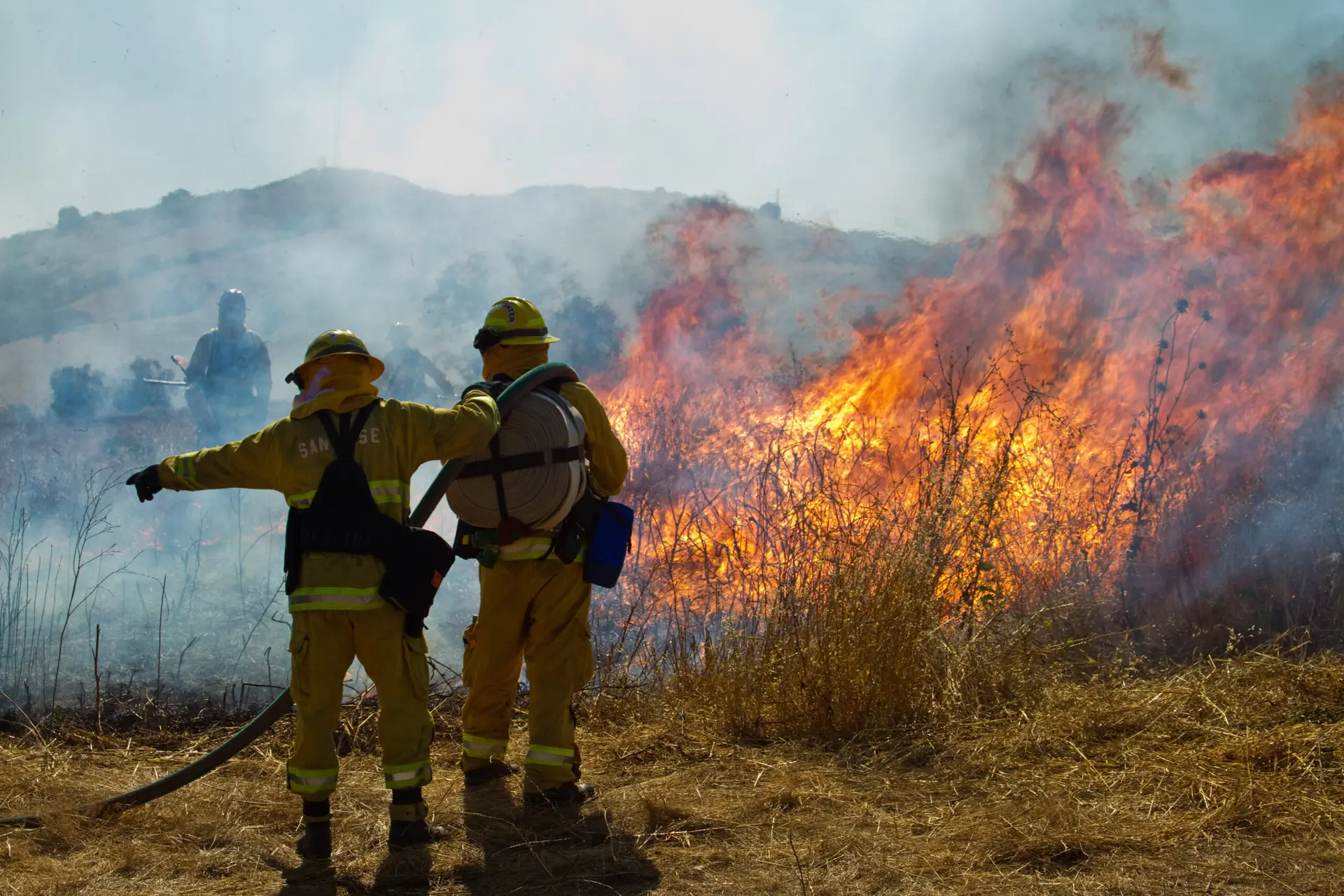
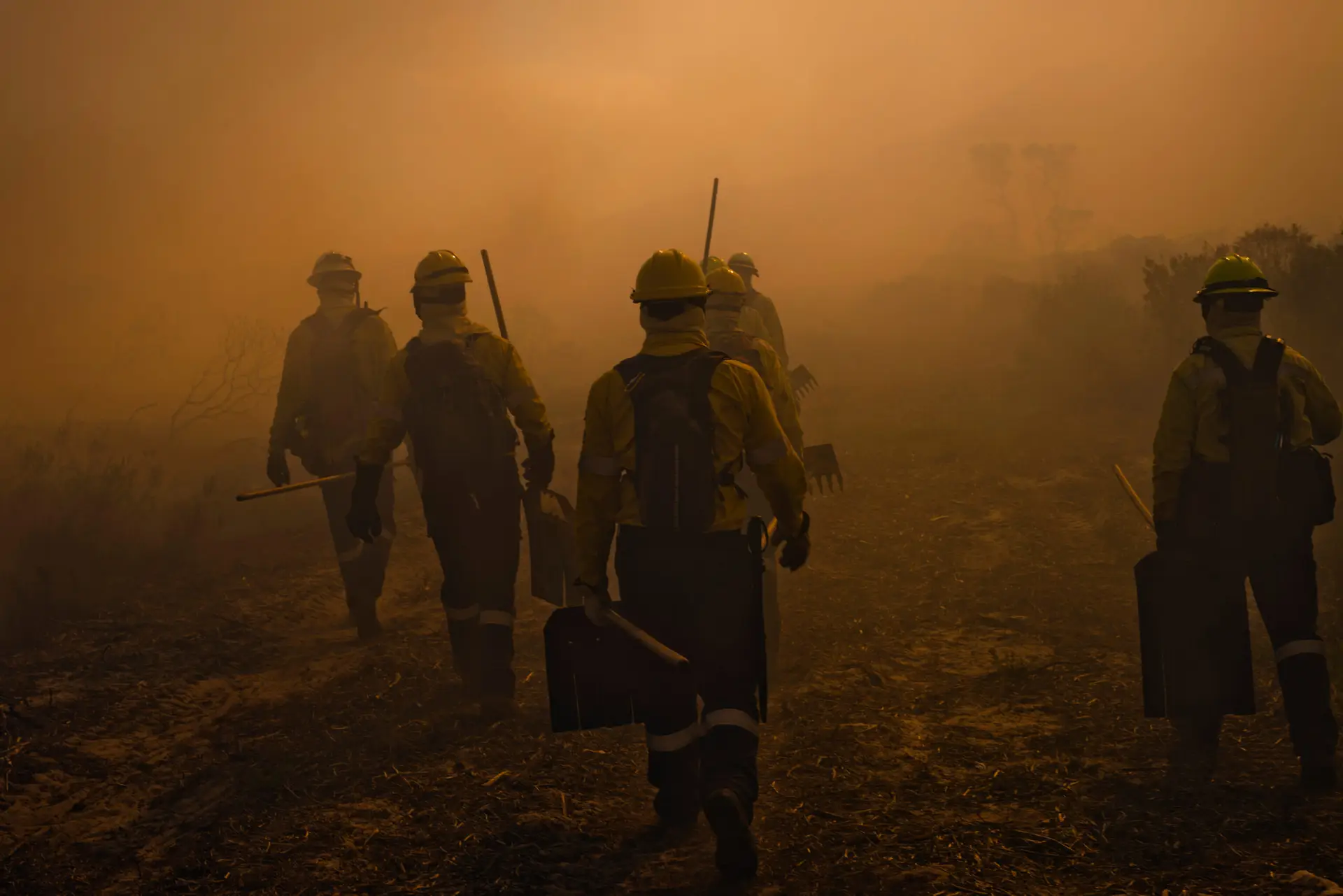
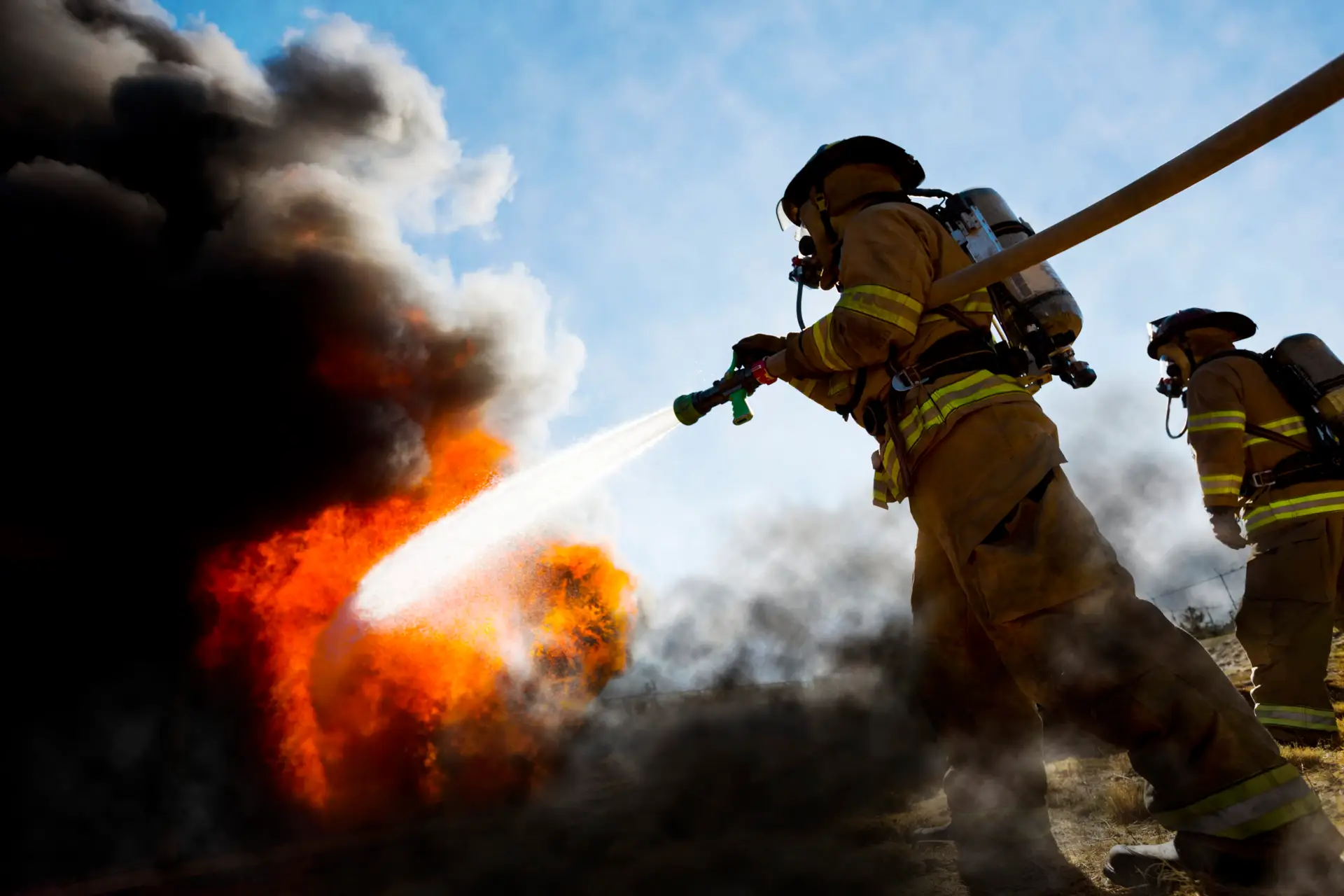
This module discusses the unique characteristics of wildland fire responses, the known hazard categories and safety practices that mitigate these hazards, and how to practice effective risk management.
Credit Hours: 2 Hours
This program emphasizes the importance of comprehensive pre-incident plans for complex properties, detailing the selection criteria, information gathering, analysis, and dissemination to incident commanders during events.
Credit Hours: 1 Hour
Firefighters must understand how sprinkler systems work to pre-plan fire response and to use sprinklers effectively during a fire incident. This self-paced program demonstrates the advantages of automatic sprinkler systems, then describes how they work and what components they contain.
Credit Hours: 1 Hour
This self-paced program teaches how to complete pre-incident plans for commercial and industrial structures with sprinkler systems, enhancing fire suppression efforts and fostering relationships with property stakeholders, crucial due to the relative infrequency of such callouts compared to residential properties.
Credit Hours: 2 Hours
This program introduces Top-Loading Automatic Storage and Retrieval Systems (TL-ASRS) and their impact on warehouse operations, detailing their functionality, associated fire hazards, fire protection systems, preplanning for responses, and fire department operations at TL-ASRS facilities.
Credit Hours: 2 Hours
This program features a case study of a nearly fatal fire at an auto repair shop in Greensboro, NC, highlighting the importance of advanced pre-planning for complex properties, with insights from the Greensboro Fire Department on lessons learned and subsequent improvements to their preplanning process.