Mindful Resilience
Actively promote resilience training and other mental health resources for firefighters to support their overall well-being.
Related Pillar and Perspective:
- Health and Wellness
- Firefighter Well-Being
Inside the New Firefighter Life Safety Initiative 4
Combines these original initiatives:
- Counseling and Support
- Medical and Fitness Standards
Credit Hours: 1 Hour
Learn how the 16 Firefighter Life Safety Initiatives is an integral part of reducing firefighter fatalities and injuries.
Credit Hours: 1 Hour
Discover how a balanced approach of leadership can help prevent firefighter fatalities and injuries with practical and specific tips.
Credit Hours: 1 Hour
Better understand and support the needs of family members and fire service survivors after a line-of-duty death. Also, learn how to create a plan for your fire department in case of a line-of-duty death.
Credit Hours: 1 Hour
Assist civilians when they are in crisis with proven principles including ensuring their safety, understanding their individual needs, meeting those needs, and promoting the connectedness and self-efficiency needed for recovery.
Credit Hours: 1 Hour
This module covers the foundational principles of a peer support program and direct users to resources that can help them design and establish a peer support program in their department.
Credit Hours: 1 Hour
Understand the fundamentals of firefighter health and safety including personal commitment to health and safety, peer to leader transition, protocols enforcement, crew resource management and related-NFFF
programs.
Credit Hours: 1 Hour
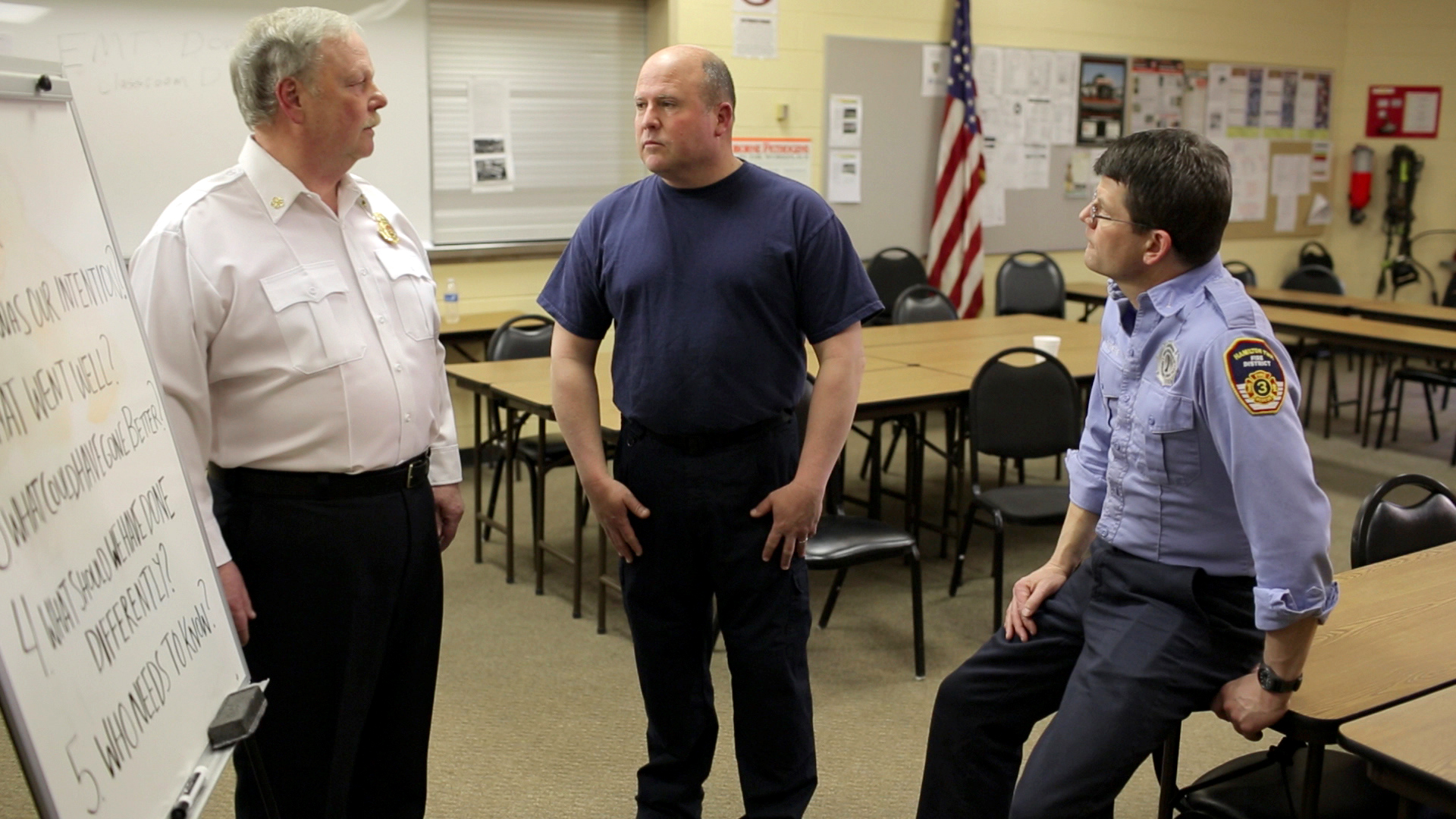
View an unscripted roundtable discussion between five fire service leaders about creating change in the fire service and leading a culture of safety. Topics discussed include: making safety a priority, handling resistance, fostering an environment of trust and risk mitigation.
Credit Hours: 1 Hour
This program raises awareness about what incident commanders may face if a line-of-duty death occurs at a scene where they are in command and prepares them to face that challenge should it happen to them.
Credit Hours: 1 Hour
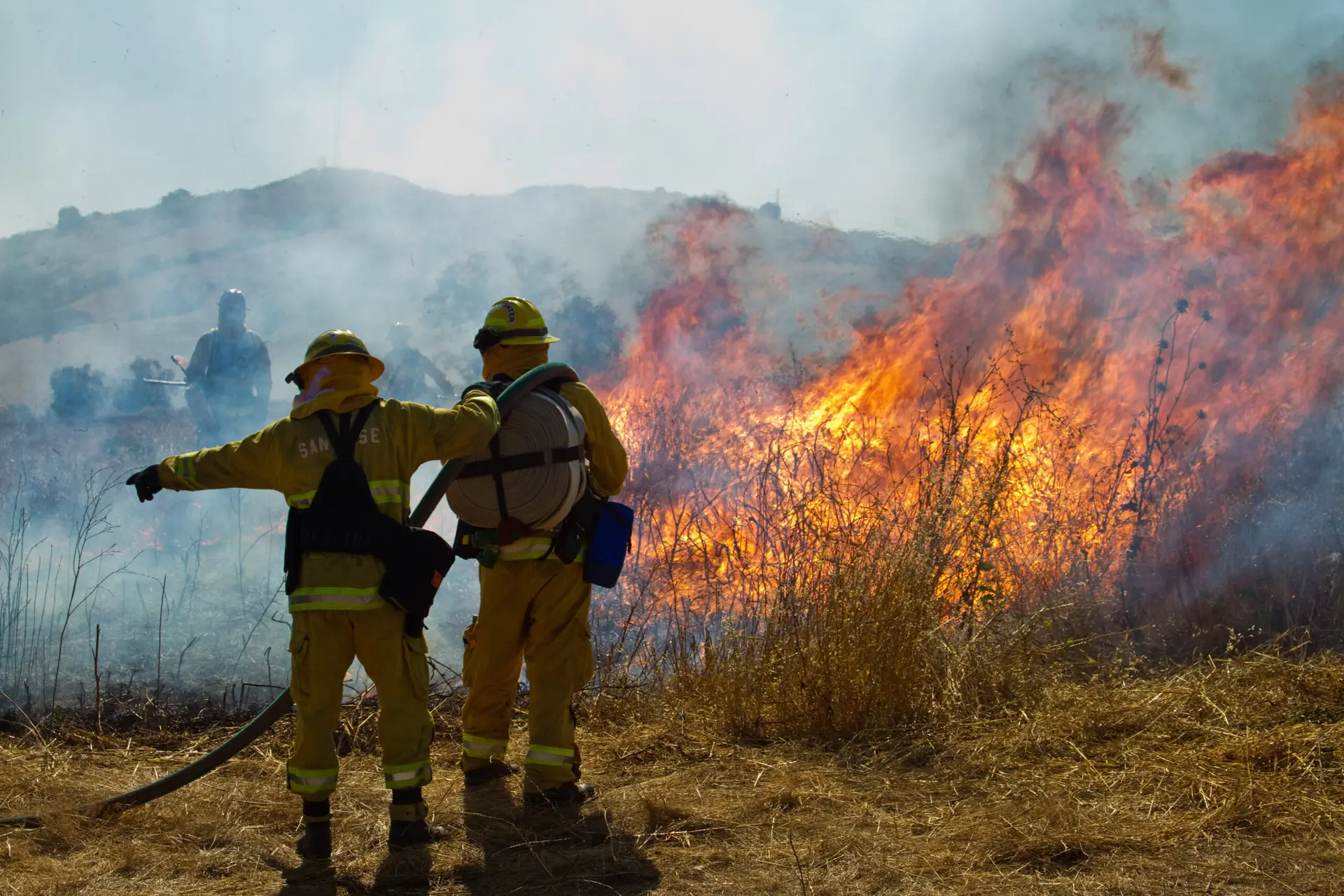
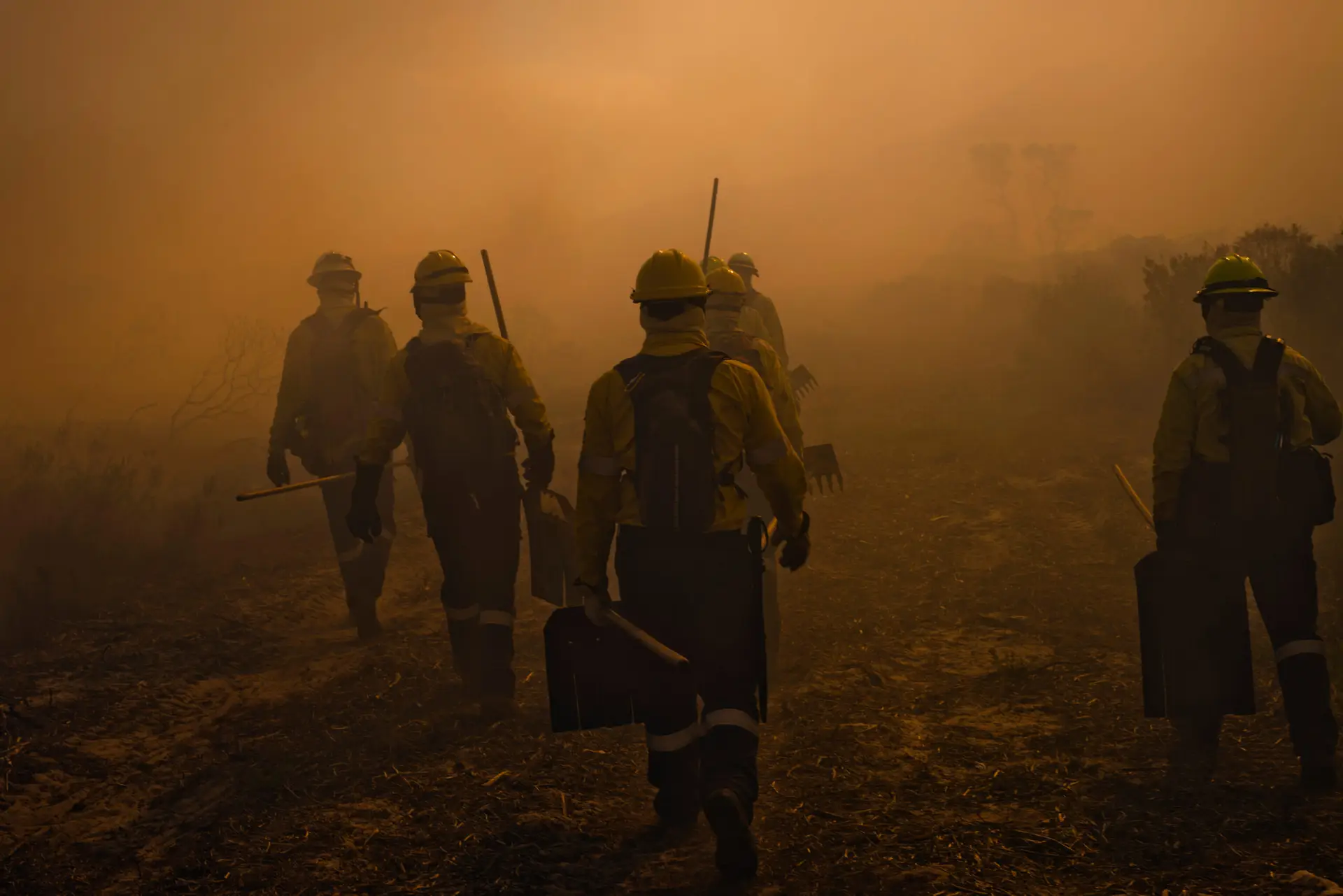
This module discusses the unique characteristics of wildland fire responses, the known hazard categories and safety practices that mitigate these hazards, and how to practice effective risk management.
Find research and resources on health, wellness, nutrition, fitness, physicals, cancer, and cardiac at www.firstrespondercenter.org
The FRCE is dedicated to protecting the lives and livelihoods of first responders, nationwide. Our education and research initiatives constantly shed new light on challenges to the health, safety and well-being of firefighters, EMS personnel and other first responders. It’s all with the goal of reducing line-of-duty injuries and deaths as well as occupational illnesses.